
Strengths
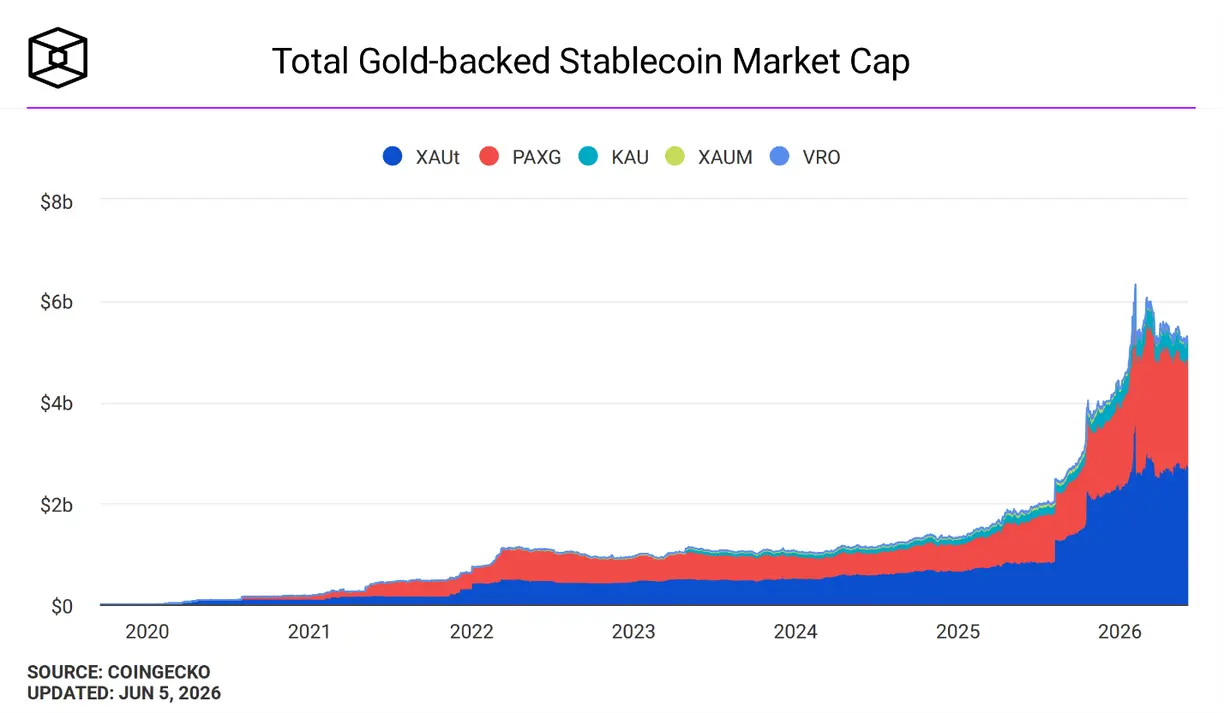
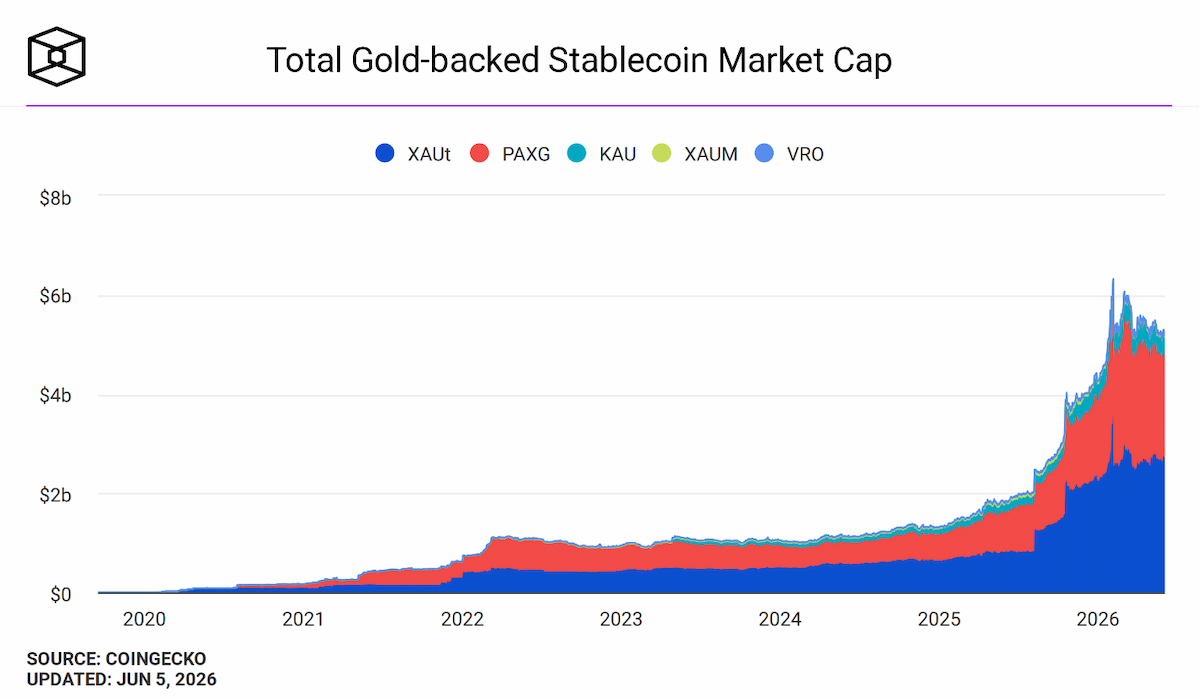
- Tether announced the launch of a Visa card that rewards users with XAUT, its gold-backed digital asset with a market capitalization of approximately $2.6 billion. The card allows users to spend fiat globally while earning up to 6% cashback in tokenized gold and automatically investing spare change into XAUT. Backed by roughly 24 tons of physical gold, the initiative expands the real-world utility of digital assets and highlights growing efforts to integrate tokenized commodities into everyday payment systems.
- Visa partnered with Brale to test institutional settlement using SBC, a U.S. dollar-backed stablecoin, on the Canton Network. The initiative is designed to evaluate how blockchain technology can support faster, programmable, and privacy-enabled payment settlement for financial institutions. Visa’s stablecoin settlement program reached a $7 billion annualized run rate as of April, up 50% from the previous quarter, highlighting the growing role of stablecoins as a next-generation payment and settlement infrastructure.
- Coinbase and Better Home & Finance announced plans to allow qualified borrowers to use Bitcoin and USDC as collateral for mortgage downpayments beginning this summer. The initiative, which supports Fannie Mae-backed mortgages, marks another step toward integrating digital assets into traditional financial services. By enabling homebuyers to leverage their crypto holdings without first converting them into cash, the program highlights the growing acceptance of digital assets within the U.S. housing and mortgage markets.
Weaknesses
- Professional investors significantly reduced their exposure to U.S. spot Bitcoin ETFs during the first quarter as market conditions weakened. According to CoinShares, holdings reported through regulatory filings fell from 313,000 BTC to 261,000 BTC, representing a decline of approximately 52,000 BTC. The reduction was driven primarily by hedge funds and brokerages, which cut their positions by 39% and 53%, respectively. The data suggests that trading-oriented institutions pulled back from the market as Bitcoin’s downturn intensified, contributing to selling pressure across the digital asset sector.
- Bitcoin faced mounting pressure this week as weakening investor sentiment triggered nearly $1.5 billion in crypto liquidations over a 24-hour period, the largest wave of forced deleveraging since February. At the same time, U.S. spot Bitcoin ETFs extended their record redemption streak to 11 consecutive days, with approximately $3.5 billion in net outflows. The decline in institutional demand, combined with heightened geopolitical uncertainty and Strategy’s first Bitcoin sale since 2022, has weighed heavily on market confidence and contributed to Bitcoin’s slide to a two-month low.
- The cryptocurrency market experienced its weakest week since July 2024, with Bitcoin and Ether posting double-digit declines as investor activity continued to slow. According to CryptoQuant, spot trading volume fell to approximately $679 billion in April, its lowest monthly level since October 2023, signaling weaker demand across digital asset markets. The decline was accompanied by broad deleveraging, rising liquidations, and reduced institutional risk appetite, highlighting the challenging environment facing the crypto sector.
Opportunities
- Goldman Sachs partnered with Apex Group, Archax, Ownera, and LRC Group to launch a blockchain-native real estate fund, marking another step forward in the institutional adoption of tokenized real-world assets (RWAs). The fund leverages Goldman Sachs’ GS DAP blockchain platform to tokenize fund shares while maintaining traditional governance and regulatory oversight. The initiative highlights growing interest from major financial institutions in using blockchain technology to improve efficiency, transparency, and future transferability of traditionally illiquid assets such as real estate.
- Ether.fi, a leading Ethereum staking platform, allocated $100 million to a new real-world asset (RWA) vault developed with Plume, a blockchain platform focused on bringing traditional financial assets on-chain, providing users access to yield generated from tokenized traditional financial assets. The move reflects growing investor demand for more stable, institutional-grade income opportunities on blockchain networks. The vault offers exposure to diversified assets, including investment-grade credit, collateralized loan obligations, and bond exchange-traded funds, highlighting how tokenization is expanding access to financial products that were traditionally available only to institutional investors.
- Travala, a crypto-native travel platform backed by Binance, launched an AI-powered travel protocol that enables autonomous software agents to search, book, and pay for travel services using USDC on Coinbase’s Base blockchain. The system combines artificial intelligence with low-cost blockchain payments, allowing transactions to settle almost instantly with fees of approximately $0.01. The launch highlights the growing potential for stablecoins and AI agents to support real-world commerce beyond traditional crypto use cases.
Threats
- JPMorgan Chase warned that the window to pass the U.S. crypto market structure bill, known as the Clarity Act, is narrowing as lawmakers face a crowded legislative calendar ahead of the midterm elections. The bill, which would establish a comprehensive regulatory framework for digital assets, still faces several hurdles and ongoing disagreements over stablecoin yield provisions. A delay in passage could prolong regulatory uncertainty for crypto companies and investors, potentially slowing institutional adoption and investment in the digital asset sector.
- A coordinated anti-scam operation involving the U.S. Department of Justice and major private-sector firms, including Coinbase, SpaceX, Meta Platforms, Google, Microsoft, and Apple, led to the freezing of more than $3.8 million in cryptocurrency, the disabling of 1.4 million accounts, and dozens of arrests linked to fraud networks operating in Southeast Asia. Despite these enforcement efforts, cryptocurrency investment fraud remains a growing challenge, with reported losses exceeding $7.2 billion in 2025, up 24% from 2024, according to FBI data. The persistence of large-scale scam operations continues to pose risks to investor confidence and the broader adoption of digital assets.
- Weaker-than-expected U.S. economic data increased concerns that the Federal Reserve could keep interest rates elevated for longer than anticipated. The U.S. economy added 172,000 jobs in May, nearly double economists’ expectations, while the 10-year Treasury yield rose to 4.52% following the report. Higher interest rates typically reduce investor appetite for risk assets, creating additional headwinds for cryptocurrencies and other speculative investments.
