

While gold and silver have commanded investor attention throughout much of the calendar year, another precious metal has emerged from the shadows to deliver the most spectacular performance of 2025. Platinum futures have staged a remarkable rally, culminating in a breathtaking nine-day surge that pushed prices to an all-time high of $2,323 per ounce, closing just below that level at $2,320. Today's session alone saw gains of $171, representing nearly an 8% advance and marking platinum's first record for the year.
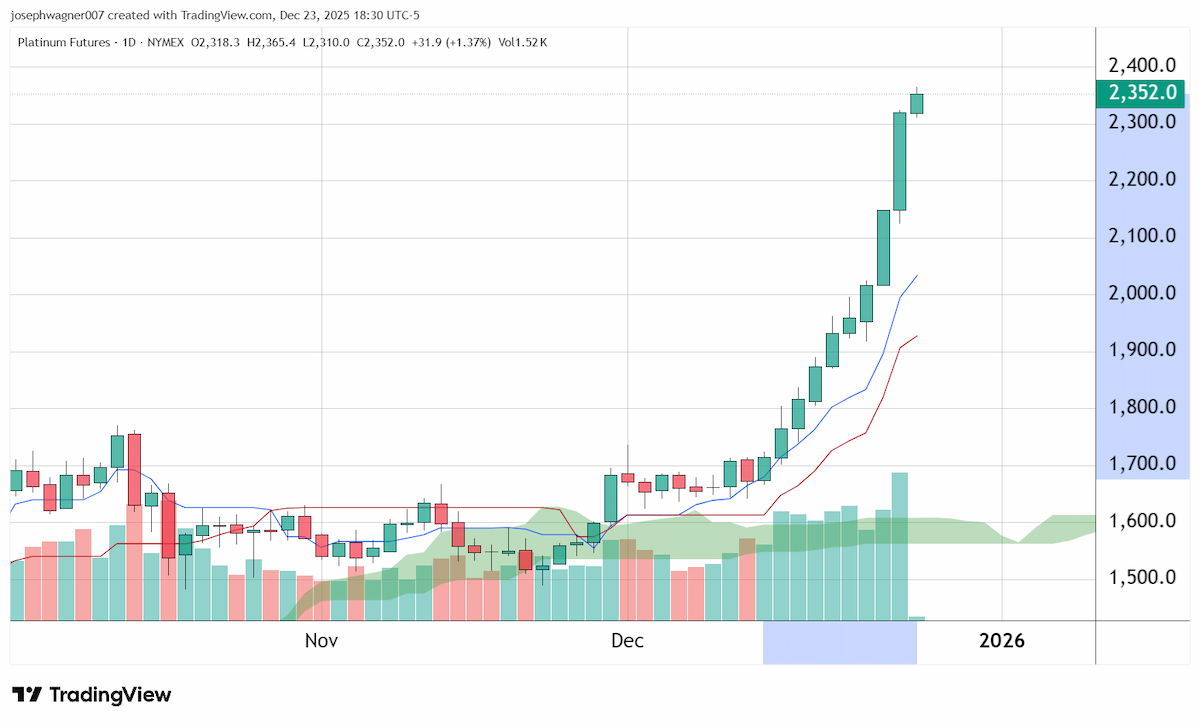
The magnitude of this rally is extraordinary by any measure. Over nine consecutive positive trading sessions, platinum prices surged by an astonishing 38.82%, awakening what many had considered a sleeping giant among precious metals. The metal's journey this year has been equally impressive from a broader perspective. Platinum began 2025 trading below the $1,000 threshold, languishing in relative obscurity compared to its more celebrated counterparts. It was not until mid-May that futures contracts managed to break decisively above the $1,000 mark, setting the stage for the explosive rally that would follow.
What distinguishes platinum's recent ascent from the rallies in gold and silver are the unique fundamental drivers propelling this market higher. While platinum shares some characteristics with silver, particularly its dual role as both an industrial and precious metal, its supply-demand dynamics are notably distinct. The platinum mining industry operates within an exceptionally concentrated market structure, with the vast majority of above-ground supply originating from South African mines. This geographic concentration creates inherent supply vulnerabilities that have contributed to the current price dynamics.
The most significant catalyst for platinum's recent surge emerged last month with a development that fundamentally altered global price discovery mechanisms. The launch of platinum futures trading on the Guangzhou Futures Exchange represents more than simply another venue for speculation. Chinese traders have quickly demonstrated sophisticated understanding of platinum's supply-demand fundamentals, with trading volumes rapidly reaching levels significant enough to influence the established London markets. This expansion of trading infrastructure has introduced new sources of demand that operate according to different principles than traditional Western markets.
China's appetite for platinum extends well beyond speculative interest. The country's expanding chemical processing sector requires platinum as a catalyst in various refining operations, creating steady industrial demand that remains largely independent of automotive production cycles. This industrial consumption provides a stable demand floor that differs markedly from the more cyclical patterns observed in Western economies. Additionally, Chinese investors have begun viewing platinum as a portfolio diversification tool, approaching the metal with the same strategic accumulation mindset they have applied to gold holdings. This dual-pronged demand from both industrial and investment sources has created persistent buying pressure that Western markets must now accommodate.
The automotive sector, which represents platinum's primary end-use application, has undergone a significant evolution that strongly favors increased platinum consumption. Contrary to earlier expectations of declining platinum intensity in vehicles, modern catalytic converter designs actually require more platinum per unit, not less. Engineers have discovered that higher platinum loadings substantially improve catalyst durability and performance across wider temperature ranges, particularly in demanding operating conditions. This technical reality has proven consequential for automakers who initially attempted to reduce costs through substitution strategies.
Efforts to replace platinum with alternative metals such as palladium or rhodium have not delivered the anticipated results. After experiencing performance issues with substitute materials, particularly in heavy-duty and high-performance applications, automakers have returned to platinum-heavy formulations. This reversal in industry practice has solidified platinum's position as the preferred catalyst material, ensuring robust demand from the automotive sector even as the industry navigates the transition toward electrification.
Beyond its traditional automotive applications, platinum's role in emerging green technologies positions the metal as a critical beneficiary of the global energy transition. Hydrogen fuel cell development requires substantial platinum quantities for electrode catalysts, creating potential future demand that could fundamentally alter the market's supply-demand balance. Energy storage technologies increasingly incorporate platinum-based components to achieve improved efficiency and durability. Carbon capture and industrial decarbonization technologies often require platinum catalysts for essential chemical processes. As climate change mitigation efforts accelerate globally, demand for platinum-intensive technologies across multiple industrial sectors seems poised for sustained growth.
The strategic importance of platinum has not escaped government attention. Recognition of the metal as a critical material has led to strategic stockpiling initiatives and supply chain security assessments in major economies. The concentration of production in South Africa creates strategic vulnerabilities that policymakers are increasingly focused on addressing. This elevation of platinum to strategic material status introduces a new category of price-insensitive demand that competes with commercial users and provides additional support for prices.
Platinum is also benefiting from the broader precious metals rally that has characterized 2025.
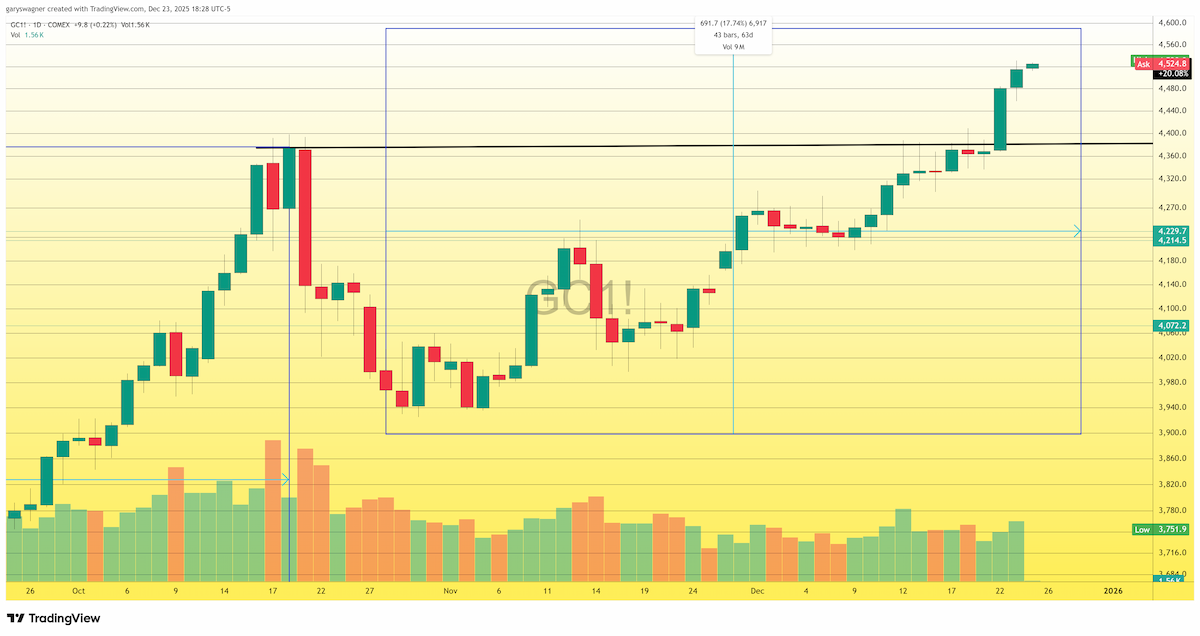
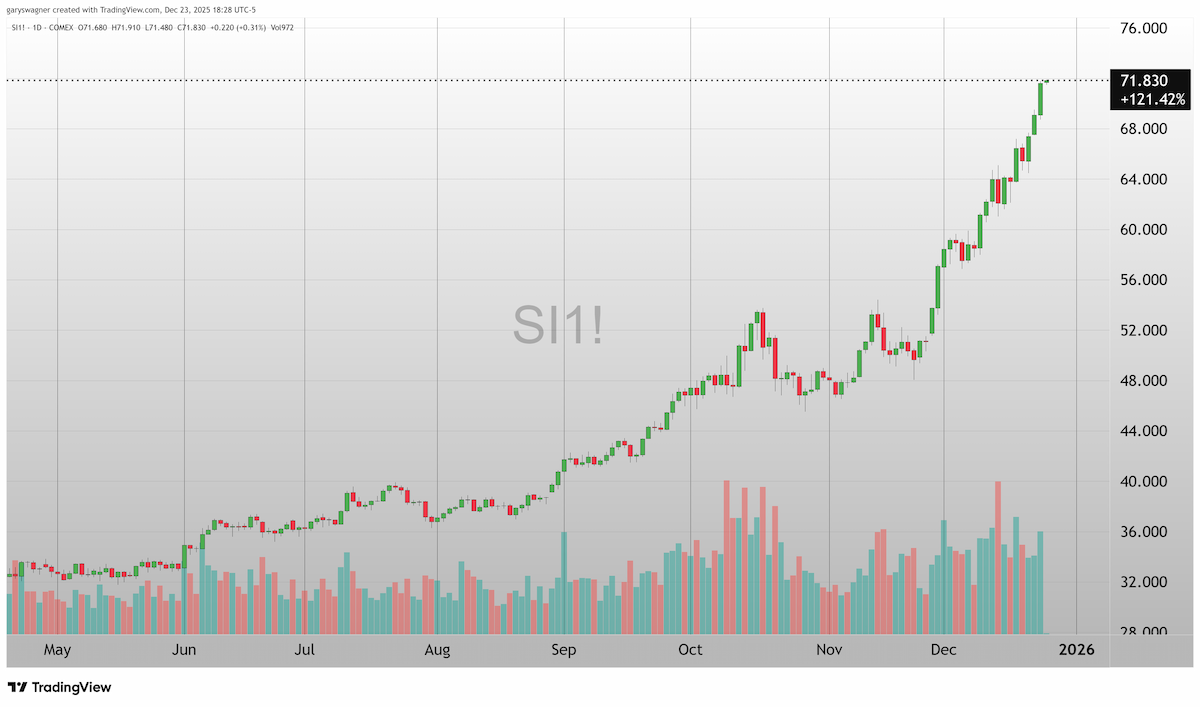
However, its relative scarcity compared to gold and silver creates a compelling value proposition for investors seeking exposure to precious metals. The metal's dual nature as both an industrial commodity and a store of value provides diversification benefits within precious metals portfolios, offering exposure to different economic scenarios than those driving gold or silver prices.
The convergence of these factors—constrained supply from concentrated production sources, expanding demand from both traditional and emerging applications, new trading venues introducing fresh capital, and strategic recognition by governments—has created the perfect environment for platinum's explosive rally. As the metal trades at record levels, investors and industrial users alike are reassessing platinum's role in portfolios and supply chains, suggesting that this year's spectacular performance may represent more than a temporary spike but rather a fundamental repricing of this critical metal's value in the global economy.
For those who would like more information about our services, click here.
Wishing you as always good trading,
