

(Kitco Commentary) - Gold futures continued their upward trajectory, breaking through a key resistance level of $2,655 to reach an over one-month high. As of 5 PM EST, the most active February contract settled at $2,766.30, posting a modest gain of $7.60 (0.28%). The precious metal has not traded at these levels since November 6, when markets experienced significant volatility, with prices swinging from an opening of $2,777 before settling at $2,693, marking an $85 decline. This week's performance shows steady momentum, with gold advancing approximately $26 from its Monday settlement of $2,640.
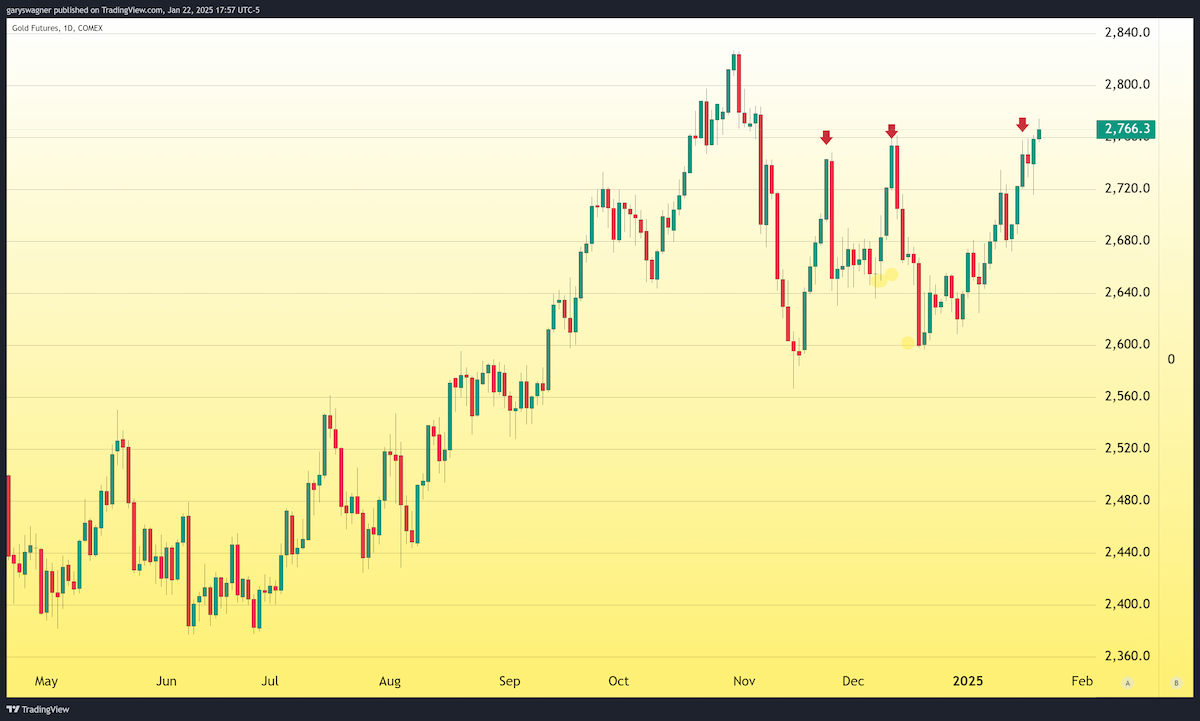
Notable is gold's resilience in the face of typically bearish factors. The precious metal advanced despite modest dollar strength, with the Dollar Index climbing 0.26% to 108.242. Similarly, rising Treasury yields failed to dampen gold's ascent, as the two-year note yield increased by 2.1 basis points to 4.304%, while the ten-year note yield rose three basis points to 4.612%.
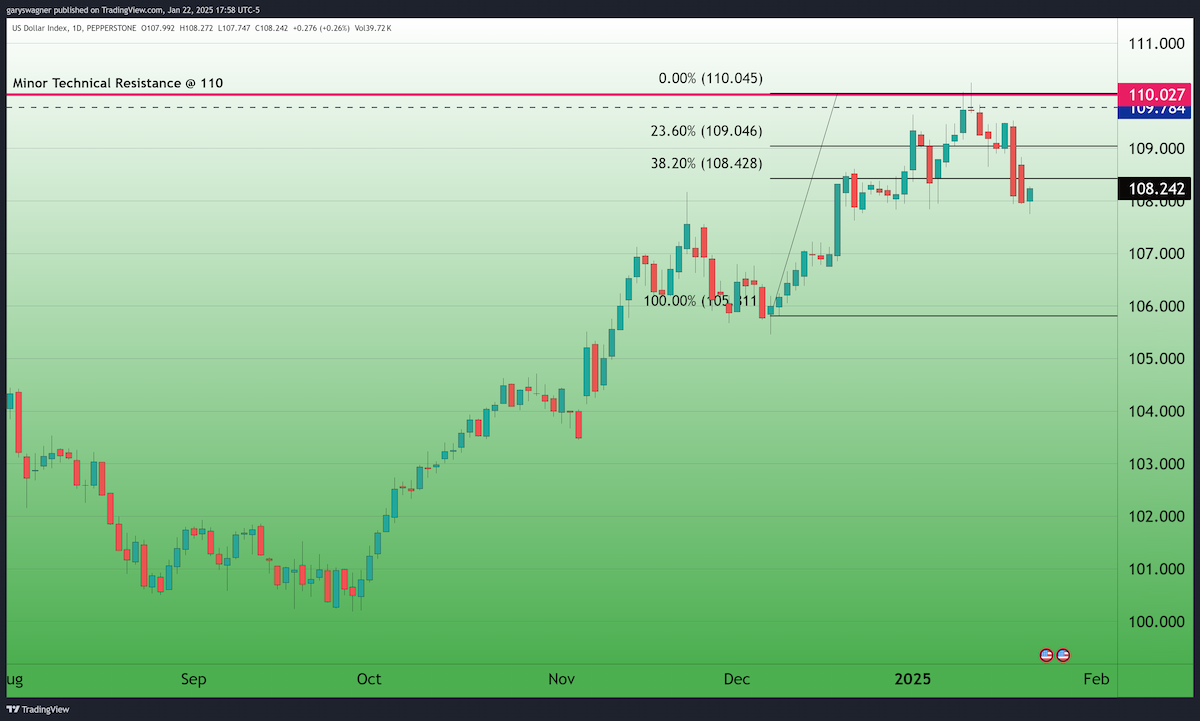
Ole Hansen, head of commodity strategy at Saxo Bank, offers insight into the market dynamics: "The Dollar Index futures, which reflect the performance of six major currencies against the dollar, started a strong uptrend in late October, [but is] now showing signs of pausing. This development has added some support to gold."
The precious metal's strength comes amid broader economic uncertainties. According to the latest economic outlook released last week by the Congressional Budget Office, federal debt projections indicate that US debt is expected to rise significantly in the coming years.
According to the most recent report, “In CBO’s projections, the federal budget deficit in fiscal year 2025 is $1.9 trillion. Adjusted to exclude the effects of shifts in the timing of certain payments, the deficit grows to $2.7 trillion by 2035. It amounts to 6.2 percent of gross domestic product (GDP) in 2025 and drops to 5.2 percent by 2027 as revenues increase faster than outlays. In later years, outlays increase faster than revenues, on average. In 2035, the adjusted deficit equals 6.1 percent of GDP—significantly more than the 3.8 percent that deficits have averaged over the past 50 years.”
The latest report indicates the debt-to-GDP ratio could exceed the post-World War II record set in 1946 within the next several years, highlighting potential long-term economic challenges that could influence safe-haven asset demand.
For those who want more information on our premium service, please click the link Premium Service.
Wishing you, as always good trading,
