
This Friday's Personal Consumption Expenditures (PCE) report is poised to be one of the most significant economic indicators released this month. Economists surveyed by Dow Jones Newswires and the Wall Street Journal anticipate a deceleration in consumer prices for May, potentially signaling a shift in the inflationary landscape.
Key Expectations
- Headline PCE prices: projected to rise 2.6% year-over-year, down from 2.7% in April
- Core PCE (excluding food and energy costs): expected to decrease to 2.6% from 2.8%, reaching its lowest level since March 2021
If these forecasts prove accurate, it would suggest that inflation is moving closer to the Federal Reserve's 2% target. This trend, combined with last month's Consumer Price Index (CPI) report, could indicate that the elevated inflation rates observed earlier this year were not the beginning of a sustained upward trend.
Fed Policy Implications
Federal Reserve Chairman Jerome Powell has emphasized the need for consistent, positive economic data before considering any rate cuts. At the last Federal Open Market Committee (FOMC) press conference, Powell stated, "We have stated that we do not expect it will be appropriate to reduce the target range for the federal funds rate until we have gained greater confidence that inflation is moving sustainably toward 2%."
A PCE report aligning with current forecasts could provide the Fed with the initial evidence of a "string of good economic data" they seek. This development might increase the likelihood of rate cuts beginning as early as September.
Market Expectations
The CME's FedWatch tool currently indicates a 66.8% probability of a rate cut in September, a slight decrease from the previous day's 67.7% forecast.
Impact on Gold
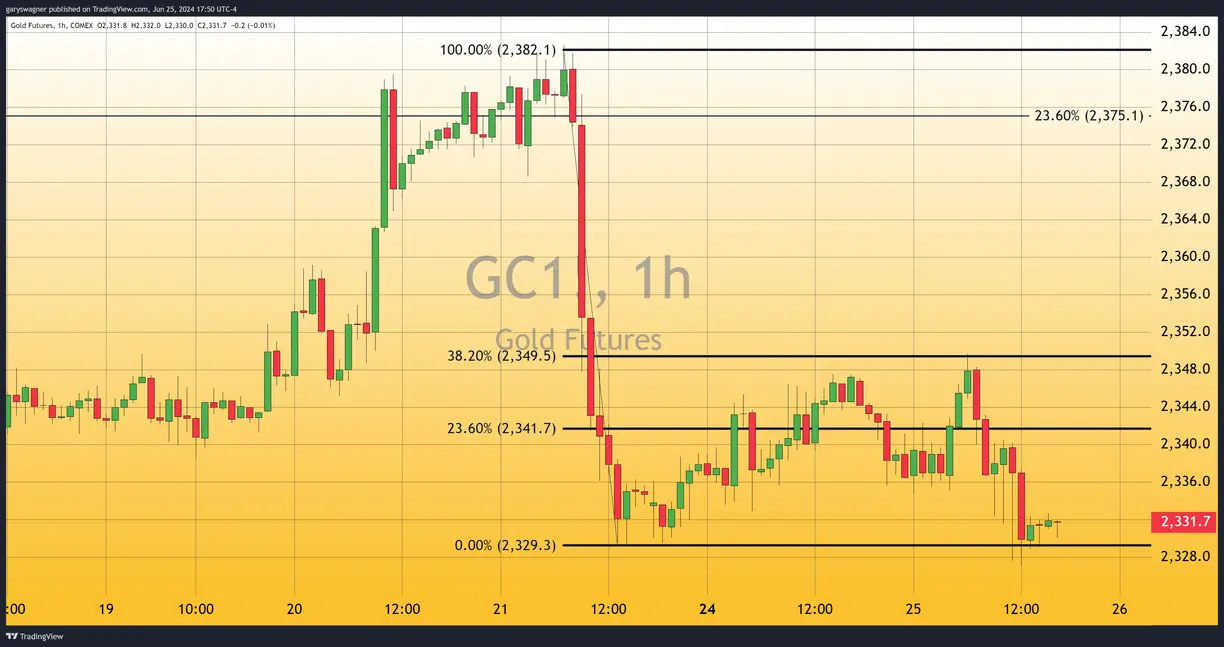
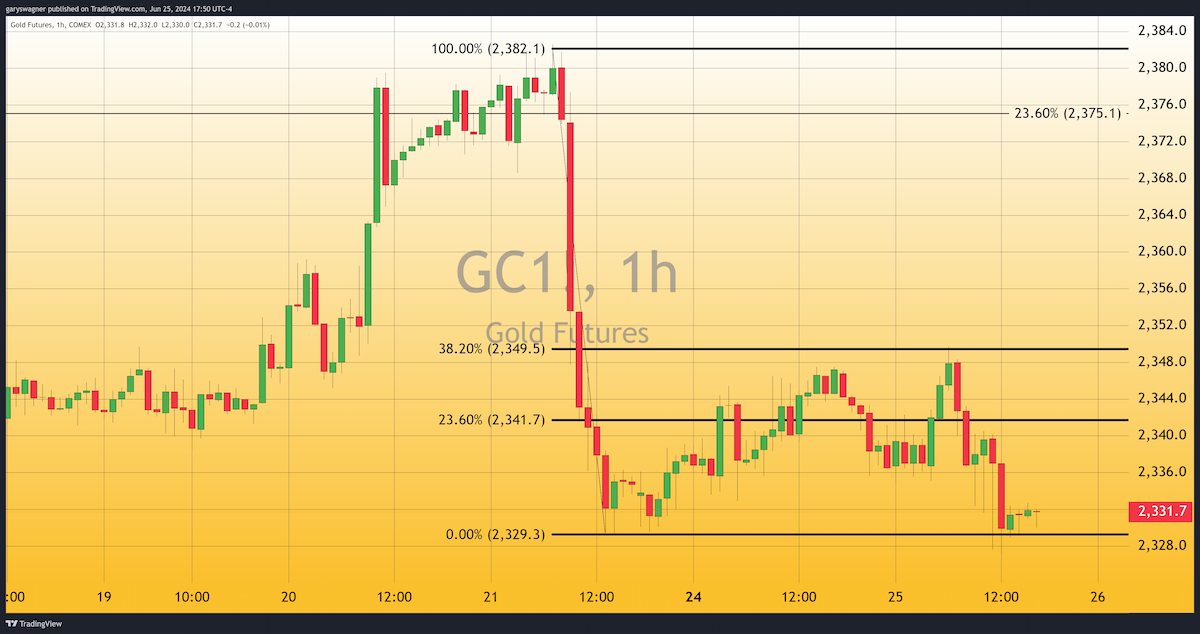
A less restrictive monetary policy could provide bullish tailwinds for gold, as the precious metal typically performs better in low-interest-rate environments. However, current dollar strength, higher yields, and selling pressure have exerted downward pressure on gold prices. As of 5:30 PM ET, gold futures for August delivery were trading at $2,331.70, down $15.50 or 0.66%.
Friday's PCE report will be closely watched by investors, economists, and policymakers alike. Its implications for Fed policy and broader economic trends make it a crucial indicator in the current financial landscape.
For those who wish to learn more about our service, please go to the links below:
Information, Track Record, Trading system, Testimonials, Free trial
Wishing you as always good trading,
