
Strengths
- Tether joined a €70 million funding round led by CDP Venture Capital and AMD Ventures to fund Italy’s Generative Bionics, accelerating development of its physical‑AI humanoid robots, with the company set to debut its first full humanoid at CES in January, reports Bloomberg.
- BMW is now using JPMorgan’s Kinexys blockchain platform to automate FX transfers, moving euros to New York whenever dollar balances fall, enabling instant, 24-7, rules‑based transactions, and reducing the company’s need for manual treasury management and capital buffers, according to Markets Media and related coverage.
- The CFTC has approved a pilot letting Bitcoin, Ether, USDC, and tokenized Treasuries be used as collateral for derivatives trades, reports Decrypt, marking a major step in integrating crypto assets into U.S. financial market infrastructure.
Weaknesses
- Shares of newly public Bitcoin treasury firm Twenty One Capital plunged 24% on its NYSE debut after merging with Cantor Equity Partners, despite holding $3.9 billion in Bitcoin and securing backing from Tether, Bitfinex, and SoftBank.
- The crypto fall has pushed some Bitcoin miners below profitability as hash-price revenue hits record lows, forcing many to cut power usage while accelerating a broad pivot toward AI and high-performance computing, where miners are retooling their facilities into data centers to secure far more stable, long-term revenue.
- Bloomberg reported on December 9 that U.S. spot Bitcoin ETFs saw their largest withdrawals of the year, with BlackRock’s IBIT alone losing about $2.3 billion in November and total market outflows exceeding $5 billion. The sharp pullback signaled weakening institutional demand and added further pressure to an already fragile crypto market.
Opportunities
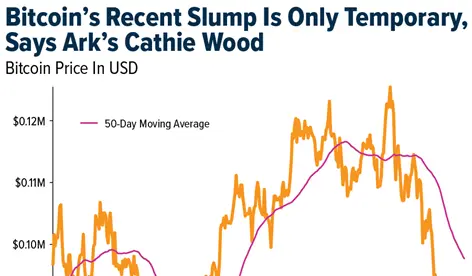
- Ark Invest’s Cathie Wood said Bitcoin’s recent slump is just temporary “wall-of-worry” behavior, arguing that institutional adoption will smooth out its boom-bust cycles, while Ark continues expanding its crypto exposure and remains bullish on both Bitcoin and AI.

- HashKey, Hong Kong’s largest licensed crypto exchange, is seeking up to HK$1.67 billion ($215 million) in an IPO to fund tech expansion, hiring, and stronger risk controls, with cornerstone investors like UBS and Fidelity committing $75 million.
- Ripple’s $500 million share sale attracted major Wall Street investors like Citadel and Fortress at a $40 billion valuation, but only after they secured strong protections including guaranteed returns and preferential rights reflecting how traditional finance is hedging risk as it pushes deeper into crypto.
Threats
- Peter Schiff criticized Michael Saylor’s plan to buy unlimited Bitcoin and turn it into high‑yield BTC‑backed credit, calling the idea unrealistic and arguing that Saylor cannot promise stable, perpetual returns from a highly volatile asset.
- Coinbase Citadel accused Andreessen Horowitz‑backed DeFi platforms of threatening U.S. stock‑market protections as tokenized equities grow, sparking a public clash over whether decentralized exchanges like Uniswap should be allowed to operate as de facto brokerages without traditional regulatory obligations.
- Bloomberg’s Odd Lots newsletter argues that the AI boom is absorbing every available industrial, energy, and technological resource, from Bitcoin miners’ grid connections to jet‑engine turbines, as companies repurpose any asset capable of supporting the exploding demand for AI datacenters.
