
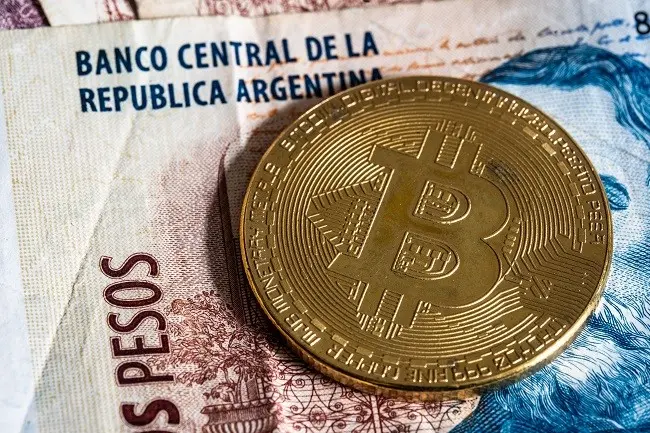
Following the election of crypto-friendly Javier Milei as the president of Argentina on Nov. 19, the country is now moving towards the acceptance of Bitcoin (BTC) for contract payments, according to Diana Mondino, the minister of foreign affairs, international trade and worship of Argentina.
Mondino announced in a Thursday post on X that the “Bases for the Reconstruction of the Argentine Economy” decree, which passed on Wednesday, was created to usher in economic reforms and deregulation that will allow the use of BTC and other cryptocurrencies in the country under certain conditions.
While the text of the decree doesn’t specifically mention cryptocurrency, it does include provisions that give debtors the choice to pay in currencies that are not recognized as legal tender in Argentina – mainly referring to foreign currencies but not explicitly precluding crypto.
Article 1196 of the decree states: “The parties have the liberty to specify the amounts and the type of currency used for the bond or security deposit, as well as the method for its reimbursement upon the lease’s conclusion.”
“We ratify and confirm that in Argentina contracts can be settled in Bitcoin,” Mondino tweeted. “And also any other crypto and/or species such as kilos of steer or liters of milk.”
Many saw the election of Milei as a positive sign for crypto adoption in Argentina, and this decree further bolsters that argument. His rise to power came amid rampant inflation across the country that was severely impacting the daily lives of Argentinians.
The inflation rate in the country currently stands at 161%. On Dec. 12, Milei announced a sharp devaluation of the Argentine peso by 50% from 400 to 800 against the U.S. dollar.
As a result of inflation and currency devaluation, Bitcoin now trades at all-time highs against the peso at roughly 35 million per BTC. Data provided by CoinGecko shows that the local price of BTC doubled in mid-December, shortly after the devaluation.
The decree was announced following Milei’s first national address, where he detailed how he planned to address some of the country’s pressing economic concerns. The move has sparked speculation that Argentina will become the next to follow in El Salvador’s footsteps and make Bitcoin legal tender.
While the new president has yet to speak publicly about digital assets, he previously referred to Bitcoin as a movement toward “the return of money to its original creator, the private sector.”
After the decree was officially approved, Milei tweeted, “Long live f---ing freedom,”
