
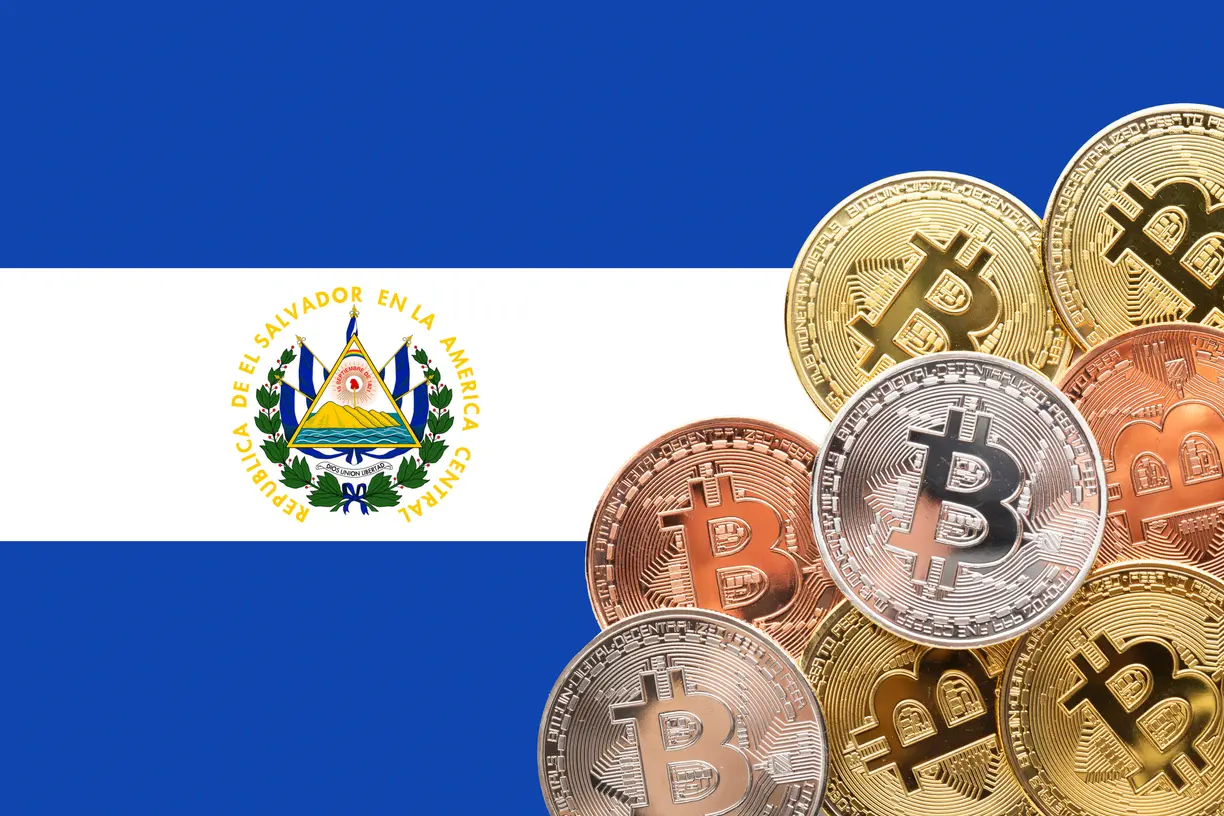
(Kitco News) – Bitcoin’s (BTC) rise over the past 16 months has been nothing short of astonishing as the top crypto climbed from $15,500 in November 2022 to hit a new all-time high just below $74,000 on Thursday, leading many to proclaim that the orange coin is gold 2.0 and would soon supplant the yellow metal as the preferred store of value in investors’ portfolios.
While analysts at JPMorgan were quick to push back against those predictions, saying it will be years before BTC could surpass gold in “risk capital terms,” there are lessons to be learned from gold’s long reign as the preferred hedge against currency collapse, and El Salvador has taken notes.
On Thursday, El Salvador President Nayib Bukele announced that the country has moved a “big chunk” of its Bitcoin holdings to a cold storage wallet, which was then stored in a physical vault within the country’s “national territory,” taking a page out of how countries have historically safeguarded gold.
We've decided to transfer a big chunk of our #Bitcoin to a cold wallet, and store that cold wallet in a physical vault within our national territory.
You can call it our first #Bitcoin piggy bank ??
It's not much, but it's honest work ? pic.twitter.com/dqzedykxT1— Nayib Bukele (@nayibbukele) March 14, 2024
While physical storage is a hallmark of gold reserves, Bitcoin is also helping to evolve the practice as the amount of space required to store BTC will be significantly less. One could easily fit more than a dozen cold storage wallets in a space no larger than an average safety deposit box.
Based on the information contained in Bukele’s post, El Salvador transferred 5,689 Bitcoin worth approximately $406.6 million at the time of the transaction. The true size of the country’s holdings is currently unknown, but it’s safe to assume that they are in the green on their investment based on when they announced their first purchases in 2021.
In a demonstration of the communal nature of the cryptocurrency ecosystem, multiple crypto sleuths have noted that anonymous donors have been sending Bitcoin to the address provided in Bukele’s post, potentially as a way to push back against the International Monetary Fund’s ridicule of the country’s Bitcoin purchases.
Pseudomyous X user Coin on the Cob highlighted the significance of this development in a world of opaque government practices and rampant money printing.
“People do not realize what just happened but the World just changed,” he tweeted. “Not only does this give sovereigns the ability to protect their wealth, but it gives the people the power to keep a tab on their government. Bravo sir!”
Putting the development into metaphor form, X user “Nicki & James in El Salvador” tweeted, “Bitcoin is like a game of musical chairs. Every time a long-term player comes in. They remove chairs for others to sit on. El Salvador just sat down.”
El Salvador became the first country in the world to establish Bitcoin as legal tender, passing its “Bitcoin Law” on September 7, 2021. Legislators said they approved the law to help create jobs, enhance true financial inclusion, and foster economic dynamism.
Bukele has also outlined plans for a tax-free crypto haven, dubbed Bitcoin City, that will be powered by geothermal energy from a volcano.
