

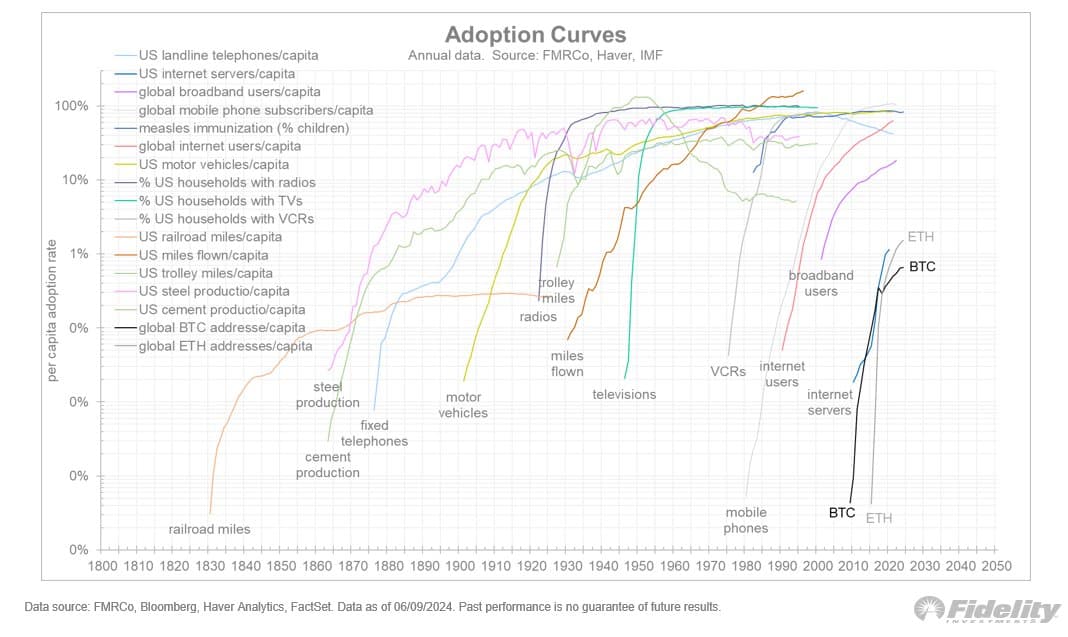
(Kitco News) – While cryptocurrencies have seen the rapidly rising s-curve typical of many historical technological trends, the role of technology in investing and saving has risen significantly in recent decades. According to one research firm, this trend is only expected to increase, highlighting the need for tech-savvy financial advisors.
The Logica Future of Money 2024 report noted, “Despite the growing confidence and usage of technology to support investing and saving, people are still looking for personal financial planning support from employers and financial institutions and report that they rely most heavily on financial advisors.”
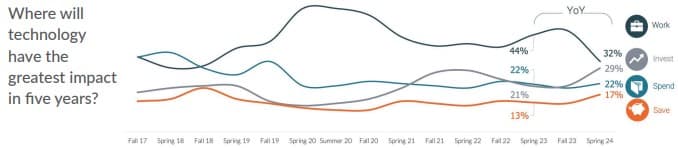
With cryptocurrencies gaining adoption by the year, combined with advancements in payment technology, digital services, and the steady march towards central bank digital currencies, Logcia found that, “Overall, 29% from all generations believe technology will have the biggest impact on investing in the next five years, up from 22% one year ago.”
While technology offers a new level of independence in making financial decisions, the advice of professionals is still highly prized across age groups. “Although financial technology tools may be growing, our Future of Money Study shows that nothing takes the place of trusted, personal advice – particularly in the face of uncertain economic times,” Logica said. “This is especially true for Millennials, who are working to be on top of their finances and plan ahead.”

Growing up as the internet started becoming more widespread and experiencing the rise of computing technology and smartphones, “Millennials are aware of the economic and generational challenges they face, driving them to seek out advice more than other generations,” Logica said. Out of all cohorts tracked Millennials were found to be the most likely to seek help and advice in financial matters.
They are also more likely to invest in alternative investments, including crypto, Logic found.

Amid the notable shift in access to retirement, with older generations benefiting from generous pensions and employer-backed retirement accounts, the transition to 401Ks, which workers mainly fund, has altered the retirement landscape and put many workers behind track in their savings.
“The latest wave of the Logica Future of Money Study shows varying levels of optimism and concern among Americans about their financial futures, with widespread financial strain preventing many from saving for retirement,” Logica said. “And many, especially Millennials, share that they will have to keep working past retirement age. This highlights the need for enhanced financial programs from employers. More than half of Millennials plan to keep working full or part-time after they retire.”
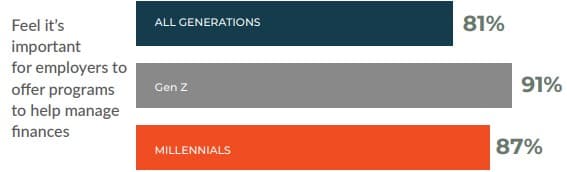
“The percentage of working Americans who feel it is important for employers to offer financial programs has increased significantly in the past six months, from 75% in Fall of 2023 to 81% this Spring,” the report said. “This is especially true for the younger generations.”
While Gen Z has been credited with being “mobile-first and social media dependent,” the Future of Money Study shows that “Millennials lead the pack on technology on multiple fronts. Millennials are the leaders in using digital wallets, payment apps, BNPL, and other payment technologies.”
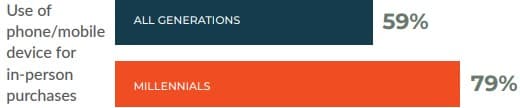
For instance, “Millennials are the most likely of all generations to use their mobile phone or device for in-person purchases,” Logica said. “In the realm of mobile payments, Millennials continue to demonstrate they are early adopters of technology and digital tools that can help them manage their finances.”
“Right now, this generation is prioritizing financial planning, seeking professional advice, and they value transparency when it comes to choosing who to work with on getting ahead,” the report said. “Millennials’ money management attitudes show that they are working toward getting on top of their finances through professional advice, taking more risks and leveraging a network to help them grow.”
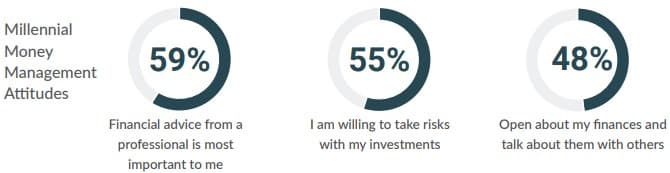
This demographic is now starting to become the dominant cohort where financial matters are concerned. Though they face challenges, thus far, they have been willing to adapt and change to ensure their future financial success.
“While Millennials have a positive outlook on retirement, they are realistic about potential financial challenges,” Logica said. “More than other generations, Millennials have documented their financial goals and plan on working after retiring from their main career to ensure financial stability.”
Their heightened awareness of economic and generational challenges, enabled through access to data and trends thanks to the internet, is driving many “to seek financial advice from a variety of resources, including financial advisors, social media, and employer financial programs.”
“Millennials' willingness to take financial risks and seek advice could lead to innovative financial behaviors and a more dynamic approach to wealth-building among this generation, potentially setting new trends in financial management,” Logica concluded.
