
Strengths
- The rapid expansion of crypto exchange-traded funds continues to reinforce institutional adoption and the integration of blockchain technology into traditional capital markets. 21Shares launched the first U.S. ETF providing direct exposure to Canton Coin through the Nasdaq-listed TCAN fund, expanding crypto investment products beyond Bitcoin and Ethereum. The Canton Network, a blockchain platform designed for institutional finance, is backed by major firms including Goldman Sachs, Microsoft, and DTCC. The launch also reflects a more crypto-friendly U.S. regulatory environment, accelerating the development of tokenized financial infrastructure and institutional blockchain adoption.
- Morgan Stanley is expanding its push into digital assets by rolling out crypto trading on its ETrade platform, further integrating cryptocurrencies into mainstream wealth management services. The pilot program charges transaction fees of roughly 50 basis points, below competitors such as Coinbase, Robinhood, and Charles Schwab, while potentially giving crypto access to ETrade’s 8.6 million customers later this year. Morgan Stanley is also expanding into Bitcoin ETFs, digital asset custody, and tokenized equities infrastructure, underscoring how major financial institutions continue integrating crypto services into traditional banking and brokerage platforms.
- Kalshi, a U.S.-regulated prediction market platform where users and institutions trade contracts tied to real-world events such as elections, economic data, and macro outcomes, raised $1 billion in funding at a $22 billion valuation, highlighting accelerating institutional adoption of event-based financial products. The funding round included investors such as Sequoia Capital, Andreessen Horowitz (a16z), Morgan Stanley, and ARK Invest. Kalshi said institutional trading volume surged roughly 800% over the past six months, while annualized trading activity reached approximately $178 billion. The rapid growth underscores rising institutional interest in prediction markets as tools for trading, hedging, and expressing macroeconomic views across both crypto and traditional finance.
Weaknesses
- Strategy, formerly known as MicroStrategy and the world’s largest corporate holder of Bitcoin, is signaling a potential shift away from its long-standing “never sell” Bitcoin strategy as financial pressures increase. The company reported a $12.5 billion net loss in the first quarter following Bitcoin’s early-year decline and disclosed it may sell BTC to manage debt obligations or improve shareholder returns. Strategy currently holds 818,334 BTC worth approximately $61.8 billion, representing nearly 4% of total Bitcoin supply, while maintaining a $2.25 billion U.S. dollar reserve for dividends and debt payments. The move raises concerns about the sustainability of highly leveraged Bitcoin accumulation strategies during periods of volatility.
- Coinbase announced it will reduce its workforce by approximately 14%, or about 700 employees, as the company responds to ongoing crypto market weakness and increasing pressure to improve efficiency through artificial intelligence. CEO Brian Armstrong said the restructuring is intended to help reposition Coinbase as a “lean, fast, and AI-native” company. The cuts come as Bitcoin remains down roughly 6% year-to-date and Coinbase shares have fallen about 12% over the same period. The layoffs highlight continued earnings pressure across the crypto industry as exchanges shift toward more disciplined and cost-efficient operating models.
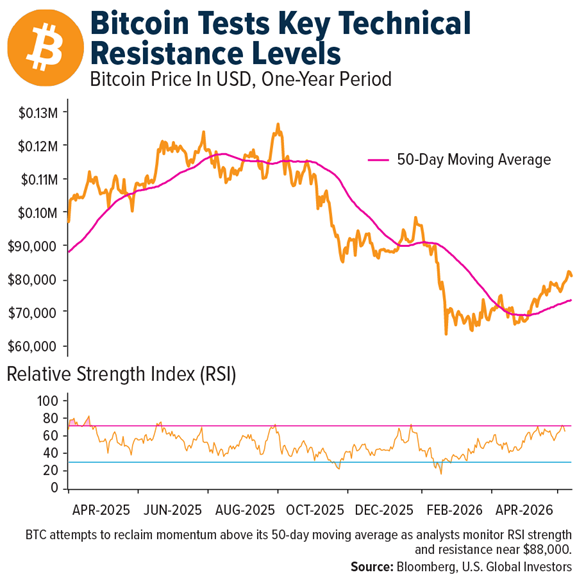
- Bitcoin’s recent recovery rally continues to face significant technical and structural resistance, raising concerns that the market may not have established a durable bottom. Analysts at Glassnode said BTC must reclaim and hold the $88,000 level to confirm a stronger recovery trend, while long-term holders are currently realizing approximately $180 million in profits per day, increasing potential sell pressure. At the same time, realized losses remain elevated near $479 million daily, more than double the historical cycle baseline of $200 million, signaling ongoing market stress and fragile investor sentiment. Analysts warned that failure to sustain momentum above key resistance levels between $85,000 and $88,000 could trigger renewed volatility across the broader crypto market.
Opportunities
- Amazon Web Services partnered with Coinbase and Stripe to enable AI agents to execute payments using USDC stablecoins, advancing the “agentic economy.” Through its Amazon Bedrock AgentCore Payments platform, AWS will allow autonomous AI agents to make real-time micropayments for APIs, digital services, and web content using blockchain-based rails powered by Coinbase and Stripe wallets. The initiative underscores growing adoption of stablecoins as programmable payment infrastructure for AI-driven and machine-to-machine transactions.
- The expansion of tokenized investment products continues to drive institutional adoption of onchain capital markets. Bitwise Asset Management, with approximately $11 billion in assets under management, will take over Superstate’s $267 million tokenized Crypto Carry Fund. The strategy uses crypto cash-and-carry trades to generate yield while leveraging blockchain infrastructure for 24/7 trading, transparency, and efficiency. The move highlights rising demand from institutional and crypto-native investors for tokenized financial products.
- Payward Inc., parent of crypto exchange Kraken, acquired Hong Kong-based Reap Technologies for $600 million to expand stablecoin payment infrastructure in Asia. The deal values Payward at approximately $20 billion and follows recent acquisitions including NinjaTrader and Bitnomial. Reap connects traditional banking systems with stablecoin-based cross-border payments, reflecting growing institutional demand for blockchain-powered financial services and continued convergence between traditional finance and crypto infrastructure.
Threats
- The collapse of Polish crypto platform Zondacrypto is intensifying regulatory and reputational risks for the digital asset industry in Europe. The exchange, which reportedly raised nearly $100 million from Polish investors through aggressive marketing and sponsorships with clubs such as Juventus FC and AS Monaco, is now under fraud investigation after suspending withdrawals. The scandal has triggered political backlash in Poland, with Prime Minister Donald Tusk alleging possible links to Russian organized crime and criticizing delays in Europe’s MiCA crypto regulations. The case highlights how weak oversight and political pressure could slow crypto adoption across Europe.
- Binance is facing renewed regulatory scrutiny after reports that more than $1 billion flowed through the platform to Iran-linked entities during 2024 and 2025, raising concerns over sanctions compliance and anti-money laundering controls. The U.S. Department of the Treasury has reportedly demanded full compliance with the independent monitoring program imposed after Binance’s 2023 guilty plea involving sanctions and AML violations. The exchange previously agreed to pay over $4 billion in penalties and operate under a multi-year compliance monitor. The case underscores persistent regulatory and geopolitical risks for major crypto exchanges.
- Germany is considering major crypto tax reforms starting in 2027 that could eliminate its one-year tax-free holding exemption for Bitcoin and other digital assets. The proposal is part of a broader plan to raise about €2 billion ($2.3 billion) in tax revenue and strengthen oversight under the EU’s DAC8 reporting framework. Industry participants warn the change could weaken Germany’s position as one of Europe’s most crypto-friendly jurisdictions and push activity toward offshore markets. The move reflects increasing fiscal and regulatory pressure on digital assets across Europe.
