
Strengths
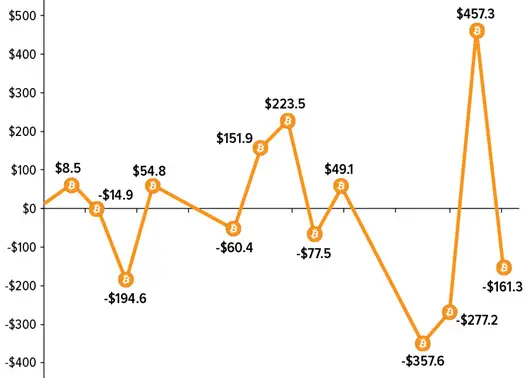
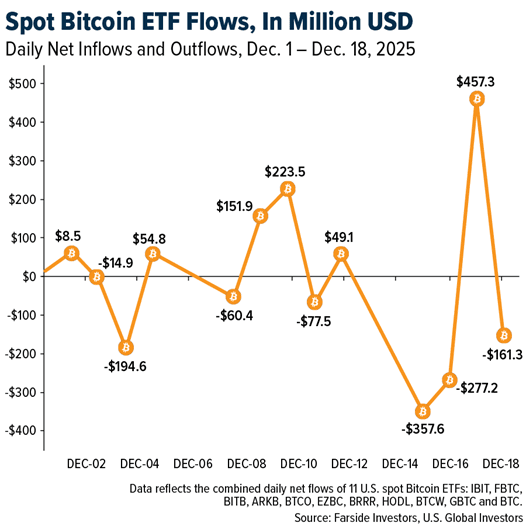
Spot Bitcoin ETFs recorded $457 million in net inflows, marking the strongest daily intake in over a month and signaling a return of institutional interest. Fidelity and BlackRock led the inflows, pushing cumulative ETF investments above $57 billion—equivalent to 6.5% of Bitcoin’s market capitalization. This trend underscores Bitcoin’s role as a macro liquidity asset, particularly as expectations for rate cuts grow, and reinforces long-term institutional confidence despite short-term volatility.
The U.S. dollar’s dominance in global debt markets is being reinforced by the rapid growth of dollar-backed stablecoins. USDT and USDC make up roughly 85% of the $300B+ stablecoin market and hold over $175 billion in U.S. Treasurys, extending dollar liquidity into on-chain finance. This dynamic strengthens Bitcoin and digital assets’ integration into the global financial system while anchoring crypto markets to the world’s primary reserve currency.
Oracle’s TikTok agreement boosted confidence in AI-driven infrastructure demand, lifting AI mining stocks and pushing Bitcoin above $88,000. The coordinated rebound across crypto, AI miners, and Nasdaq futures highlights Bitcoin’s growing sensitivity to broader technology and innovation cycles. As large-scale AI adoption gains traction, capital rotation into digital infrastructure assets, including Bitcoin, reinforces its role in risk-on market environments.
Weaknesses
The recent market crash exposed weaknesses in crypto-linked vehicles, with leveraged treasury firms and mining stocks taking outsized losses as premiums collapsed and funding risks resurfaced. Heavy leverage, high valuations, and debt-financed growth amplified volatility, while shifting narratives around AI and treasury strategies undermined investor confidence. This fragmentation highlights crypto’s still-immature market structure, where many vehicles remain more vulnerable than the underlying assets themselves.
The $4 billion lawsuit against Jump Trading tied to the Terra–Luna collapse underscores how past failures continue to damage the crypto industry’s credibility. Ongoing legal actions, fraud settlements, and high-profile convictions reinforce investor skepticism, reveal governance weaknesses, and remind markets that unresolved structural and ethical risks persist across parts of the digital asset ecosystem.
According to CoinMarketCap, among the top 100 leading crypto coins and tokens, the biggest losers over the past seven days were Pump.fun (PUMP) down 26.9%, Aster (ASTER) down 22.8%, and UNUS SED LEO (LEO) down 22.2%.
Opportunities
Bitwise expects 2026 to usher in a wave of crypto exchange-traded product (ETP) launches as clearer SEC rules make approvals easier, though Bloomberg’s James Seyffart cautions that many weaker products may fail within 18 months. The outlook follows a September regulatory shift in which the SEC allowed exchanges to list spot commodity ETPs, including crypto, without individual review, reports CoinDesk.
JPMorgan projects the stablecoin market could expand to $500–600 billion by 2028, nearly doubling from today’s ~$308 billion, reinforcing stablecoins as core infrastructure within the crypto ecosystem. Growth is driven by trading, derivatives, and DeFi collateral use, while broader payment adoption offers additional upside. The outlook highlights a scalable, institutionally relevant market with long-term expansion potential as blockchain-based financial rails mature.
Malaysia’s RMJDT highlights a broader Asian shift toward regulated, local-currency stablecoins as core infrastructure for digital assets. By enabling ringgit-denominated, on-chain settlement backed by cash and government bonds, RMJDT supports tokenized assets, cross-border trade, and payments beyond USD-centric rails. This model strengthens trust, regulatory clarity, and real-world utility for digital assets, positioning Bitcoin and crypto markets to integrate more deeply with traditional finance in Asia.
Threats
Growing caution from mainstream institutions is increasing downside risk for Bitcoin. Fidelity’s Global Macro Director warns that Bitcoin may have completed its four-year halving cycle, with 2026 potentially being a “year off” marked by weak returns and prolonged consolidation. Expected support between $65,000–$75,000 and comparisons with gold’s stronger bull-market behavior highlight the risk of capital rotation away from crypto, pressuring prices and sentiment across digital assets.
The lower house has reapproved a crypto regulation bill aligned with EU MiCA but criticized for exceeding European standards. The law grants broad powers to the financial regulator, including website blocking and heavy fines, raising compliance costs and risks for smaller crypto firms. If enacted unchanged, it could stifle innovation, accelerate market consolidation, and discourage digital-asset activity in one of Central Europe’s key markets.
Tether CEO Paolo Ardoino warns that an AI-driven market bubble could pose Bitcoin’s biggest risk by 2026, as BTC remains highly correlated with broader capital markets. A sharp reversal in AI-related equities and infrastructure spending could trigger cross-asset volatility, pressuring Bitcoin despite rising institutional and government adoption, highlighting its ongoing exposure to macro and tech-sector sentiment shocks.
