
Strengths
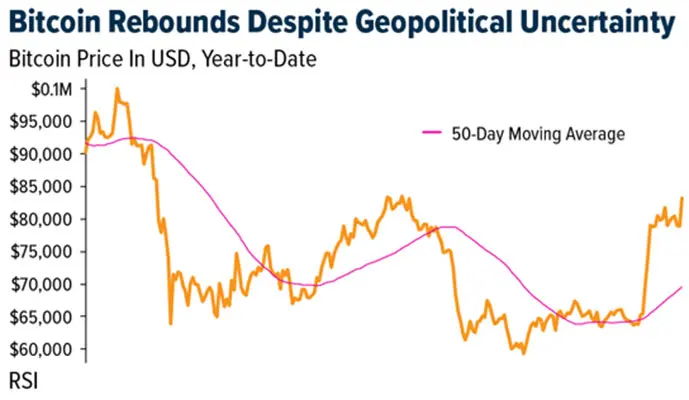
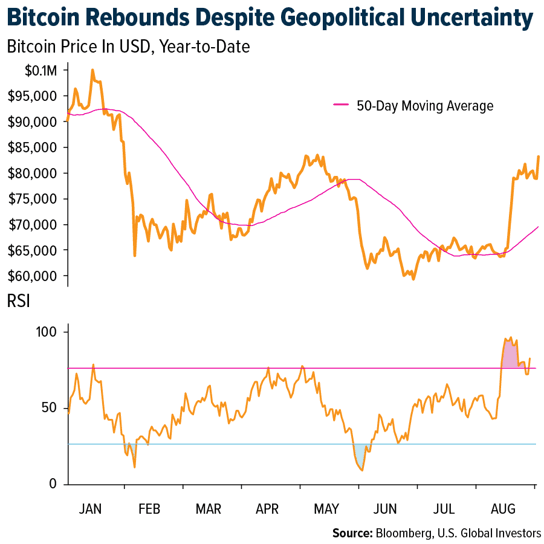
- Bitcoin climbed back above $81,000 on September 3, rebounding sharply after falling below $76,500 a day earlier as escalating U.S.-Iran tensions rattled global markets. The rebound pushed Bitcoin above its 50-day moving average of roughly $77,000, while its 90-day correlation with gold reached its highest level since 2020. The swift recovery and stronger relationship with gold highlight Bitcoin’s resilience during periods of heightened macroeconomic and geopolitical uncertainty.
- A group of 21 major financial institutions, including Bank of America, Citi, Goldman Sachs and UBS, plans to jointly launch a U.S. dollar stablecoin for payments and digital-asset settlement in the first half of 2027, with other G7 currencies expected to follow. The move comes as the global stablecoin market has grown from roughly $200 billion to $303 billion since early 2025, underscoring the growing integration of blockchain-based payments into traditional finance.
- Robinhood Chain, Robinhood’s new crypto network built using Arbitrum’s technology stack, generated a record $1.92 million in revenue over 24 hours, while weekly trading volume surged 89.5% to $6.92 billion. More than two-thirds of the network’s $5.92 million in revenue over the past 30 days was generated in the latest week. The rapid growth highlights increasing adoption and monetization of blockchain infrastructure by mainstream financial platforms.
Weaknesses
- Solana fell roughly 4.5%, Ether declined 3.5% and XRP dropped 3% on September 2 as escalating U.S.-Iran tensions drove investors away from risk assets. Despite the subsequent market rebound, the CoinDesk 20 Index, which tracks 20 major digital assets, remains down roughly 16% year-to-date (YTD) and 24% over the past year. The declines highlight persistent weakness across the broader digital-asset market despite periods of short-term recovery.
- Investors committed roughly $1.1 billion to just eight new crypto venture funds in the first quarter of 2026, the lowest quarterly fund count since 2020, according to Galaxy Research data cited by CoinDesk. Later-stage companies captured 57% of deployed capital, while pre-seed investments accounted for only 19% of completed deals. The concentration of funding in more established companies highlights a tougher capital environment for early-stage crypto startups and could constrain investment in the next generation of digital-asset infrastructure.
- Crypto firms relying on temporary regulatory relief have until September 30 to apply for required financial-services licenses or meet other authorization requirements set by the Australian Securities and Investments Commission (ASIC). Beginning October 1, noncompliant firms could face civil or criminal penalties, including fines of up to 10% of annual turnover. The tighter requirements could increase compliance costs and operational barriers for crypto businesses operating in Australia.
Opportunities
- The SEC proposed modernizing transfer-agent rules to allow blockchains to serve as official transaction records and is considering digital wallet addresses as potential investor identifiers. The agency will also hold a September 17 roundtable with major financial institutions to explore round-the-clock U.S. trading. The initiatives could support broader adoption of tokenized securities, on-chain settlement and blockchain infrastructure across traditional financial markets.
- Crypto exchange Bitget is in talks with major financial institutions, including BlackRock, to expand distribution of digital-asset products such as tokenized ETFs across Asia. Crypto transaction activity in the region grew 69% year-over-year (YoY) as of June 2025, while BlackRock estimates that a 1% allocation of Asian wealth to crypto could generate nearly $2 trillion in inflows. The discussions highlight the potential for crypto platforms to connect traditional asset managers with Asia’s growing digital-asset investor base.
- Intercontinental Exchange (ICE), the parent company of the New York Stock Exchange, made a strategic investment in tZERO and formed a partnership to advance infrastructure for tokenized securities. The collaboration combines ICE’s expertise in global markets, clearing and data with tZERO’s blockchain technology to support the issuance, trading and settlement of tokenized assets. The move reinforces growing institutional adoption of blockchain as traditional market operators explore 24/7 trading and on-chain financial infrastructure.
Threats
- OpenAI’s new Astra AI demonstrated the ability to autonomously identify vulnerabilities and develop working exploits, including discovering two previously unknown flaws and chaining vulnerabilities to gain root access. The system also achieved a 100% score on a benchmark involving known vulnerability exploitation. As autonomous AI reduces the time and expertise needed to execute sophisticated attacks, crypto exchanges, wallets and blockchain protocols could face increasingly advanced cybersecurity threats.
- Two Thai businessmen sued Tether, the company behind USDT, the world’s largest stablecoin, over the freezing of $42.4 million in USDT across 10 Ethereum addresses. The plaintiffs allege the tokens were frozen more than three months before U.S. authorities obtained a seizure warrant, while Tether has called the lawsuit baseless. The dispute could increase scrutiny of centralized stablecoin issuers’ authority to freeze assets and the protections available to token holders.
- China’s Credit Impulse fell to 20.84, its lowest level since 2008, signaling a sharp slowdown in the pace of new credit creation relative to the economy. The indicator has historically been associated with global manufacturing and risk-asset cycles, while major Bitcoin bottoms have coincided with subsequent recoveries in Chinese credit. Persistently weak liquidity conditions could weigh on global growth, investor risk appetite and Bitcoin despite its recent strength.
