
(Kitco Commentary) - The best-performing precious metal for the week was gold, although it was still down 4.09%.
Strengths
- Gold gained as much as 0.5% to nearly $4,190 per ounce as traders reduced the probability of a 25-basis-point rate hike to below 20%. Federal Reserve Chair Kevin Warsh’s comments reinforced expectations that interest rates would remain unchanged at next week’s policy meeting, according to Bloomberg. Lower expectations for higher interest rates support gold by reducing the opportunity cost of holding the non-yielding metal.
- Global gold ETF holdings climbed to 101.4 million ounces on Thursday, their highest level since August 2022, representing a 2.5% increase year to date. ETFs added 177,400 troy ounces, equivalent to approximately $734.6 million, in the latest session, bringing year-to-date net purchases to 2.43 million ounces, according to Bloomberg. Continued accumulation highlights sustained investor demand and provides additional support for gold prices.
- Central banks worldwide are reportedly accumulating gold at four times their usual pace while increasingly diversifying storage locations away from the U.S., according to Fortune. Wealthy investors are also relocating gold holdings to Singapore, attracted by its political neutrality and stable legal framework. Singapore’s 180,000-square-foot Reserve vault can accommodate approximately 10% of global annual gold supply, according to Bloomberg. These trends highlight gold’s growing appeal as a strategic reserve asset and safe-haven investment amid geopolitical and financial uncertainty.
Weaknesses
- The worst-performing precious metal for the week was palladium, down 6.58%, likely reflecting pessimistic consumer expectations, as illustrated by the University of Michigan Consumer Sentiment Index’s third consecutive monthly decline. Investors withdrew a net $1.56 billion from SPDR Gold Shares (GLD) in the latest session, marking the fund’s largest one-day outflow since March 4, according to Bloomberg. The fund’s assets declined 1.1% to $136.1 billion, their lowest level since August 4. The withdrawals highlight weakening investor sentiment and raise concerns about the sustainability of recent gold ETF accumulation amid declining bullion prices.
- Fresnillo’s attributable silver production fell 12% year over year to 10.3 million ounces in the third quarter of 2026, missing Scotia’s estimate by 13%, primarily due to weaker output at Saucito and San Julián Veins. Gold production declined 11% year over year to 135,100 ounces, coming in 2% below expectations, as lower ore-processing volumes and declining grades at Herradura and San Julián Veins weighed on output, according to Scotia.
- IAMGOLD’s Côté Gold mine produced 64,400 ounces in the third quarter, 9% below consensus estimates, as extended downtime reduced throughput and recovery rates. RBC estimates the shortfall could lower consolidated third-quarter production by 2–3%, all else equal. The company is now targeting the lower end of its 2026 Côté production guidance of 270,000–310,000 ounces, requiring more than 86,000 ounces in the fourth quarter to meet the minimum target.
Opportunities
- IAMGOLD's fourth-quarter 2026 mine-plan review at Côté Gold is expected to outline potential expansion options aimed at mitigating margin pressure from declining gold grades beyond 2027, according to Bloomberg. These initiatives could support future production growth, improve operational efficiency and help sustain profitability over the longer term.
- Scotia expects robust free cash flow generation in the third quarter of 2026 and beyond to support continued shareholder returns through dividends and share buybacks. Healthy balance sheets also provide gold producers with financial flexibility to fund organic growth initiatives, potentially strengthening long-term profitability and shareholder value.
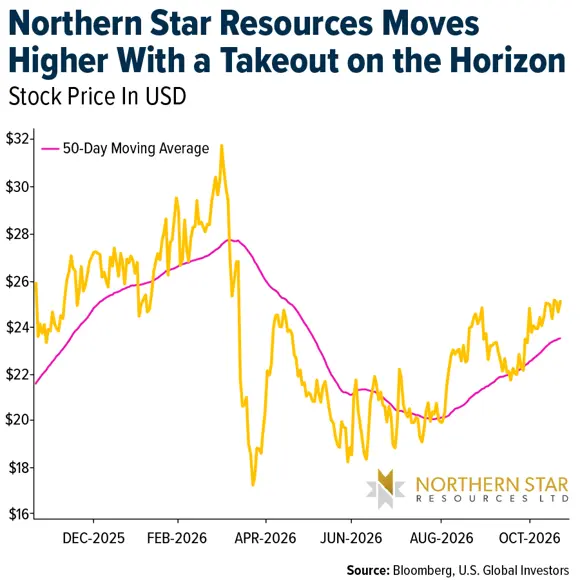
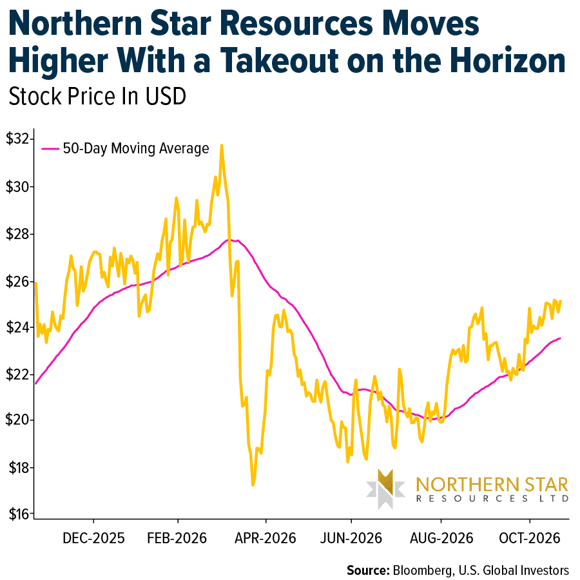
Northern Star's new CEO, Suresh Vadnagra, indicated that the company's board is open to discussions with Gold Fields if the potential acquirer improves its offer, according to the Australian Financial Review. The proposed transaction, previously associated with an estimated $40 billion valuation, could create opportunities for greater operational scale, synergies and consolidation within the gold mining industry.
Threats
- Scotia expects third-quarter 2026 costs to increase across gold producers due to elevated sustaining capital expenditures, inflationary pressures, labor constraints, higher royalties and ongoing stripping activities. While most companies under coverage remain on track to meet their full-year cost guidance, these pressures could weigh on operating margins and profitability.
- Bellevue Gold reported weaker-than-expected gold production of 35,600 ounces, as the ramp-up of a new mining contractor progressed more slowly than anticipated. Ore processing volumes declined 16% quarter-over-quarter to 251,000 tons, while surface stockpiles fell from 47,000 to 10,000 tons as existing inventories were used to supplement underground ore supply, according to UBS. Continued mining constraints and declining stockpiles could threaten future production stability and increase operational risks.
- Ghana is evaluating whether domestic companies should take over major mining operations as the government considers renewing Gold Fields' lease on a key asset, according to Bloomberg. The potential policy shift could increase regulatory uncertainty for international mining companies, threaten existing operating rights and discourage future foreign investment in the country's gold sector.
