
Strengths
- XRP Ledger (XRPL) has strengthened its institutional appeal by activating the XLS-81 (Permissioned DEX) and XLS-85 (Token Escrow) amendments. These tools allow banks and brokers to trade in members-only venues while meeting KYC/AML requirements, attracting major players and expanding stablecoin use.
- ProShares’ entry into the stablecoin ecosystem with the IQMM ETF provides the first SEC-regulated vehicle meeting the GENIUS Act’s 1:1 Treasury backing requirement. This move standardizes reserves under professional custody, enhancing transparency, solvency, and safety for a market projected to reach $3 trillion by 2030.
- Despite Bitcoin’s recent 50% price crash, Ledn closed a $188 million bond deal backed by Bitcoin loans. Its automated liquidation system protected bondholders, demonstrating that Bitcoin-backed debt can function reliably for institutional investors.
Weaknesses
- The lending protocol Moonwell incurred $1.8 million in bad debt due to an "oracle misconfiguration" on the Base network, as reported by The Block. The incident occurred when the system received incorrect price data, allowing loans to be issued against improperly valued collateral, highlighting DeFi’s vulnerability to manual configuration errors.
- Peter Thiel, the billionaire co-founder of PayPal and Palantir, has completely exited his position in ETHZilla through his venture capital firm, Founders Fund. This high-profile exit coincides with analysis from K33 Research suggesting Bitcoin is approaching late bear market territory, signaling a lack of confidence in near-term recovery.
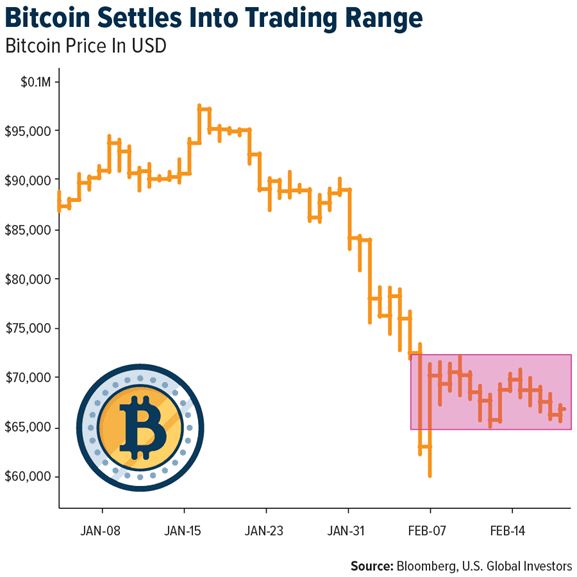
- Bitcoin remains trapped in a narrow trading range near $67,000, down 50% from its October all-time high of $127,000. This stagnation has prompted professional investors, including Sigil Fund, to de-risk and move toward cash, underscoring weak institutional conviction.
Opportunities
- The tokenization of equities is turning traditional stocks into "digital cash," eliminating the 4 p.m. closing bell and multi-day settlement lag. With Kraken’s xStocks surpassing $10 billion in volume and Nasdaq filing to trade tokenized shares 24/7 on the same order book as traditional stocks, investors can now use shares as programmable collateral in real time, while the DTCC prepares for blockchain-based settlement in late 2026.
- The partnership between Anchorage Digital and non-U.S. banks to use the USAt stablecoin offers a way to bypass the legacy correspondent banking system. By enabling 24/7 settlement under a federally regulated framework, international payments can avoid the delays and high fees of SWIFT, bringing trillions in global liquidity onto compliant blockchain rails.
- A new report by Anchorage Digital shows 77% of stablecoin users would open a digital wallet with their traditional bank if available. This demonstrates a massive opportunity for banks to retain deposits, integrate blockchain custody, and capture liquidity currently flowing to crypto-native platforms.
Threats
- Google searches for "Bitcoin going to zero" have spiked to their highest levels in years, signaling extreme fear that threatens market stability. Such bearish sentiment can trigger panicked selling, forced liquidations, and delay price recovery, undermining investor confidence.
- According to Artemis Analytics, the supply of Tether (USDT), the world’s largest stablecoin, has shrunk by $1.5 billion this month, its largest decline since the FTX collapse in 2022. This sudden reduction in on-chain liquidity increases vulnerability to market crashes, as less "digital cash" is available to support crypto prices.
- Minneapolis Fed President Neel Kashkari dismissed the crypto industry as "utterly useless" and called stablecoins a "buzzword salad." This highlights persistent skepticism at the Federal Reserve, raising the risk of stricter regulations that could hinder institutional adoption.
