
(Kitco Commentary) - Strengths
- The best-performing precious metal for the week was gold, down 9.34%, marking its worst weekly performance since March. Swiss gold shipments to China and India increased in October. Swiss gold exports to China rose to 32.9 metric tons from 12.7 metric tons in September, while shipments to India increased to 10.8 metric tons from 3.1 metric tons, according to Bloomberg. The increases point to stronger physical demand in two major gold markets.
- According to Canaccord, Bellevue Gold secured a new A$250 million revolving credit facility and an A$20 million contingent instrument facility to replace its fully drawn A$100 million Macquarie facility, which was scheduled to be repaid in quarterly installments of A$25 million in 2027. The refinancing provides Bellevue with greater financial flexibility, while hedging remains optional.
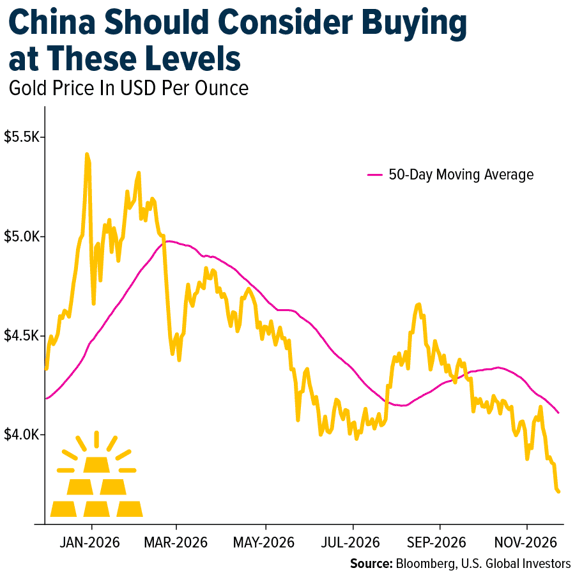
- The People’s Bank of China purchased 26 metric tons of gold in October, its largest monthly purchase since August 2023 and its 24th consecutive month of buying. According to Benzinga, central bank buying has tended to increase when gold falls below $4,000 per ounce.
Weaknesses
- The worst-performing precious metal for the week was silver, down 17.01%, putting it on track for its worst weekly performance since March. According to Bloomberg, higher Treasury yields have weighed on speculative positioning. An early rebound of about 2% largely faded as selling pressure continued.
- Spot gold touched an intraday low of $3,513.54 per ounce on Friday. According to Bloomberg, gold ETF holdings declined by a net 12,700 troy ounces in the latest reported session, while SPDR Gold Shares reduced its holdings by 146,600 ounces.
- Falling gold prices are weighing on household spending in Turkey. According to Bloomberg, the decline is deepening a slowdown in domestic demand by eroding a source of household wealth that has helped support consumer spending. Turkish households own most of the country’s gold holdings, estimated at more than 4,300 metric tons as of July. Higher gold prices had helped cushion the impact of inflation.
Opportunities
- UBS and Goldman Sachs expect gold prices to recover by late 2027. UBS forecasts gold will reach $5,000 per ounce in the fourth quarter of 2027, supported by demand for protection against currency debasement. Goldman Sachs projects $4,650 per ounce by year-end 2027, citing central bank buying. Bloomberg Intelligence, however, sees the potential for a 5% to 10% decline in the first half of 2027 if renewed Federal Reserve tightening pushes real yields higher.
- Bellevue Gold expects to close out its hedge book this quarter, ahead of its previous fiscal year 2027 (FY27) target, according to Bloomberg. At the end of the September 2026 quarter, the company had 57,500 ounces hedged at A$3,061 per ounce. Unwinding the hedges would allow Bellevue to sell all production from the second half of FY27 onward at spot prices, increasing its exposure to potential gains if gold prices rise.
- After receiving unsolicited, nonbinding indications of strategic interest, Asante Gold’s board approved a comprehensive review following a recommendation from management. The review will evaluate options to maximize shareholder value.
Threats
- Russia is drawing down its gold reserves at the fastest pace in at least 25 years. The Bank of Russia’s gold holdings fell to 72.85 million ounces as of November 1, the lowest level since November 2019, according to Bloomberg. Bloomberg Intelligence attributes the decline to apparent profit-taking and portfolio rebalancing.
- Further Federal Reserve rate hikes could keep gold prices under pressure. Minutes from the Fed’s October meeting showed that almost all officials believed additional rate increases could be appropriate in the coming months to bring inflation back to 2%. Higher real yields would increase the opportunity cost of holding gold, while a stronger U.S. dollar could add further pressure on bullion.
- Processing at the Mana mine will remain suspended until the second quarter of 2027, taking two quarters of production offline at a run rate of 30,000 to 40,000 ounces per quarter. J.P. Morgan estimates the sell-off effectively erased Mana’s contribution to Endeavour’s net present value, which it estimates at 5%. Shares could remain under pressure as investors await progress on remediation and the company’s January 2027 production and capital spending guidance.
