

(Kitco Commentary) - Americans head to the polls today in midterm elections that will decide all 435 House seats, 35 Senate seats and 36 governor seats, and precious metals traders are watching closely. Forecasters broadly expect Democrats to retake the House, with prediction markets such as Kalshi putting the odds at roughly 90%, while control of the Senate remains a toss-up amid voter concerns over inflation, tariffs and the conflict with Iran. A Democratic House would likely constrain President Trump’s policy agenda and could mean gridlock over taxes and spending.
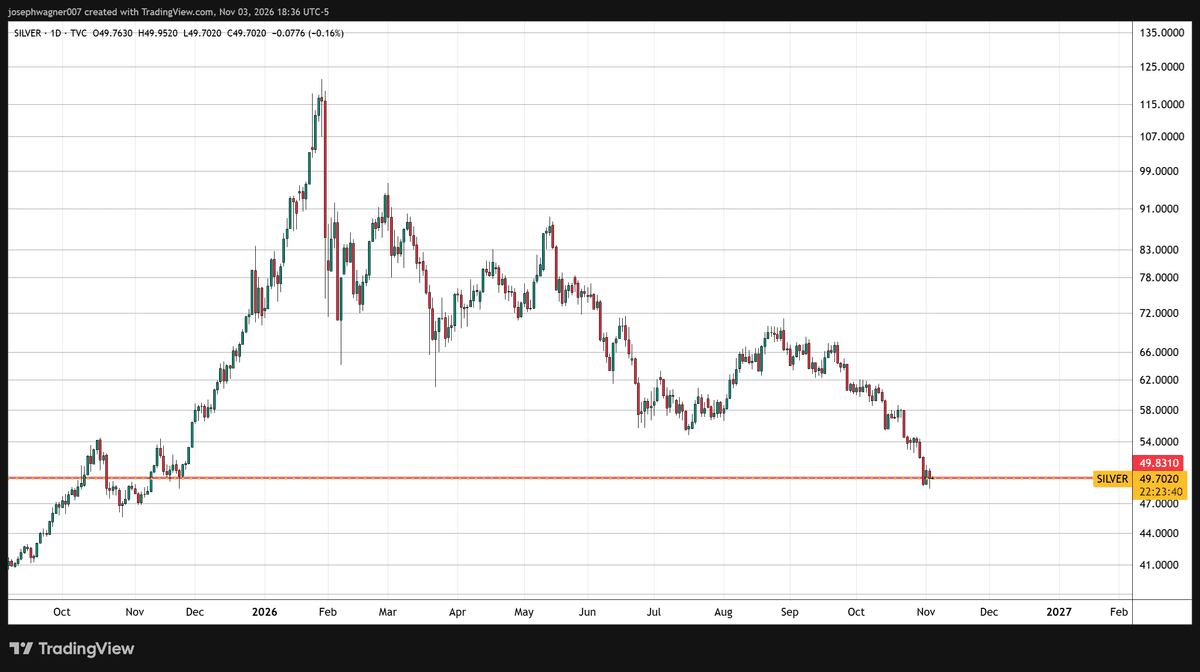
For gold and silver, analysts say the outcome matters less as a headline than for its effect on Treasury yields and the US dollar, which set the tone for precious metals. Silver enters the vote from a weaker position, having broken below its 2026 lows with oversold signals building, while gold continues to hold above its own. History offers only a loose guide. World Gold Council data going back to 1970 show gold rising 62% of the time in the six months after a midterm, with a median gain of just 2%, and researchers do not agree that past midterm patterns provide a reliable rule for 2026.
If Democrats win both the House and the Senate, the impact on gold could be muted until traders turn their attention to deficit spending and the ever-growing national debt, now $40.5 trillion, or roughly $120,000 for every US citizen, about half of whom are taxpayers. That same mechanism could lift silver by reviving investment demand, which has been largely absent since the start of February.
A Democratic sweep would not necessarily mean more government spending, since any new spending bills would still require the President’s signature. Even so, the money would likely flow through different channels, and those could benefit gold and silver to an even greater extent. Additional capital to fund the war with Iran, now more than 250 days old with no resolution, would be a hard sell at best to a Democratic-controlled House and Senate. The sooner the conflict ends, the sooner gold and silver can recover and resume their traditional role as safe havens.
Democratic economic policy has historically favored larger fiscal packages for social infrastructure and domestic manufacturing. Increased federal spending often widens national deficits, which can weaken the dollar and serves as a classic macro catalyst for hard assets such as silver. A Democratic Congress is also highly likely to pass or expand green energy legislation, which would significantly boost industrial demand for physical silver.
Still, a Democratic victory in both chambers could weigh on precious metals if it pushes real interest rates higher for longer and keeps competing Treasury yields elevated. The bearish implications would almost certainly affect gold more than silver, since industrial demand could offset some of that pressure.
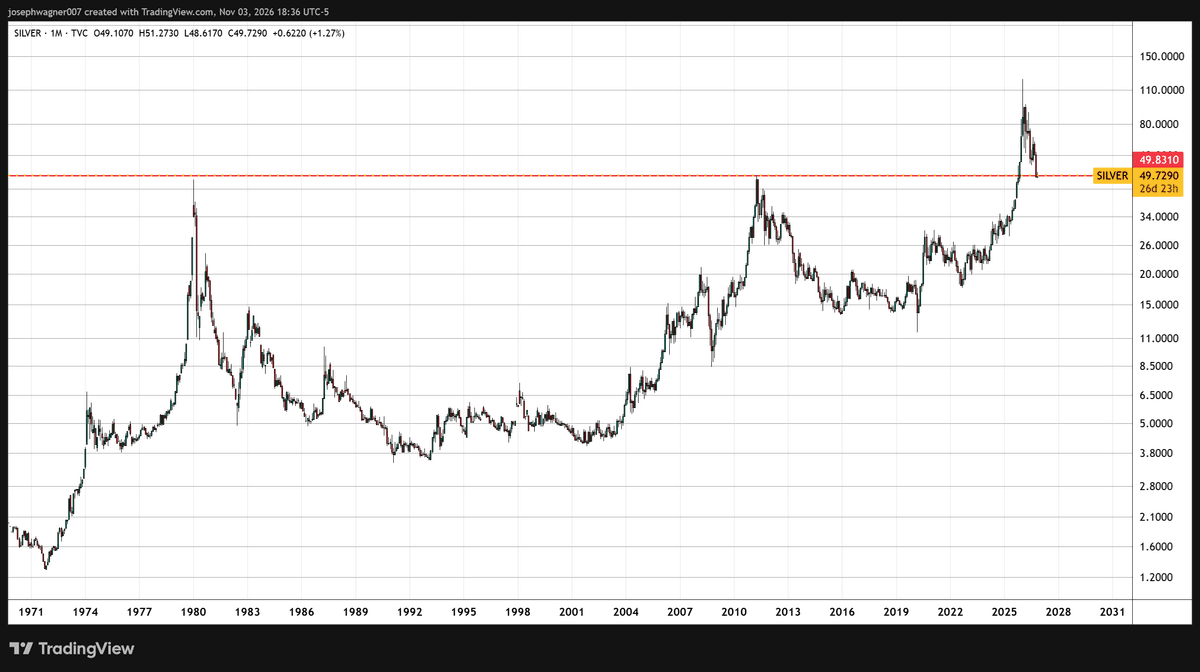
In theory, then, a “blue sweep” could lift both metals, with a considerably more bullish effect on silver than on gold. Such an outcome could hardly come at a more critical moment for the white metal, which has been flirting with $50, a key price level dating back to 1980. Silver now trades only about $0.20 below that mark, which also represents the 2011 peak. If silver cannot regain its footing above this threshold, the next support levels do not appear until $47 and then $42. For more daily commentary on the precious metals visit this link.
Wishing you as always, good trading.
