
Gold price treading water as U.S. housing starts drop 14.6% in the last 12 months

Kitco Media
By Neils Christensen
Published
Updated
Kitco News
The Leading News Source in Precious Metals

Kitco NEWS has a diverse team of journalists reporting on the economy, stock markets, commodities, cryptocurrencies, mining and metals with accuracy and objectivity. Our goal is to help people make informed market decisions through in-depth reporting, daily market roundups, interviews with prominent industry figures, comprehensive coverage (often exclusive) of important industry events and analyses of market-affecting developments.

Gold price treading water as U.S. housing starts drop 14.6% in the last 12 months teaser image

(Kitco News) - 

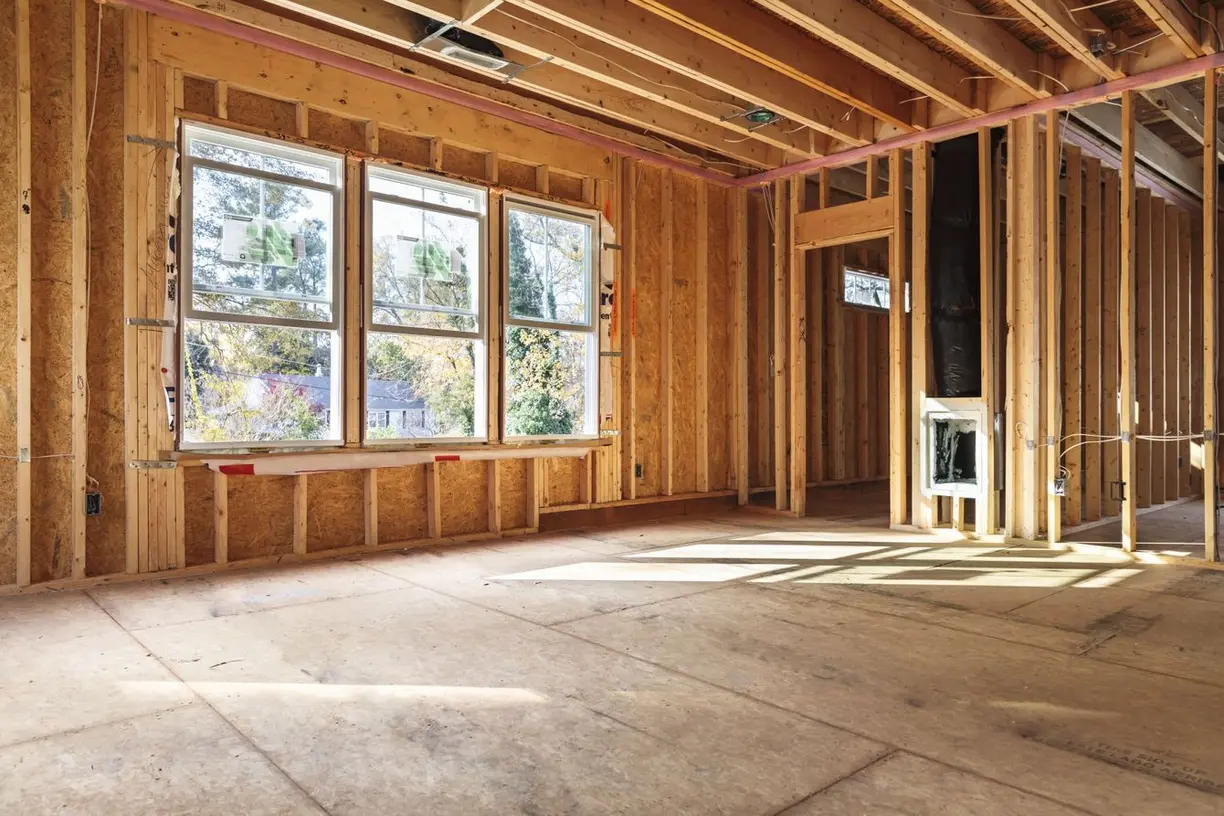
The Federal Reserve’s rate-hiking cycle is not having a significant impact on the U.S. housing sector, as residential construction continues to decline. At the same time, disappointing housing data is having little effect on the gold market.

Housing starts declined by 1.8% in November to a seasonally adjusted annual rate of 1.289 million units, the Commerce Department announced on Wednesday. The data was worse than expected, as economists had forecast a slight increase to 1.35 million units.

For the year, housing construction is down 14.6%.

The weaker-than-expected economic data is not significantly impacting gold, as investors continue to focus on the Federal Reserve’s monetary policy decision, which will be announced later in the afternoon. Spot gold futures last traded at $2,645 an ounce, nearly unchanged on the day.

Although residential construction remains lackluster, the sector could be stabilizing as the number of building permits increased last month.

The report noted that building permits for future homebuilding rose 6.1% in November to a rate of 1.505 million, exceeding the consensus estimate of 1.430 million permits.

Economists are closely monitoring the U.S. housing sector because it has a significant impact on GDP activity. The sector has struggled as consumers have been priced out of the market.

Higher interest rates have driven mortgage rates higher, while low inventories have kept prices elevated.

Some economists expect the housing market to continue struggling. Although the Federal Reserve has begun cutting rates, stubborn inflation could limit the easing cycle in 2025.

Kitco Media

Neils Christensen

Neils Christensen has a diploma in journalism from Lethbridge College and has more than a decade of reporting experience working for news organizations throughout Canada. His experiences include covering territorial and federal politics in Nunavut, Canada. He has worked exclusively within the financial sector since 2007, when he started with the Canadian Economic Press. Neils can be contacted at: 1 866 925 4826 ext. 1526 nchristensen at kitco.com @KitcoNewsNOW

Mdi Earth Logo

Share

Disclaimer: The views expressed in this article are those of the author and may not reflect those of Kitco Metals Inc. The author has made every effort to ensure accuracy of information provided; however, neither Kitco Metals Inc. nor the author can guarantee such accuracy. This article is strictly for informational purposes only. It is not a solicitation to make any exchange in commodities, securities or other financial instruments. Kitco Metals Inc. and the author of this article do not accept culpability for losses and/ or damages arising from the use of this publication.