
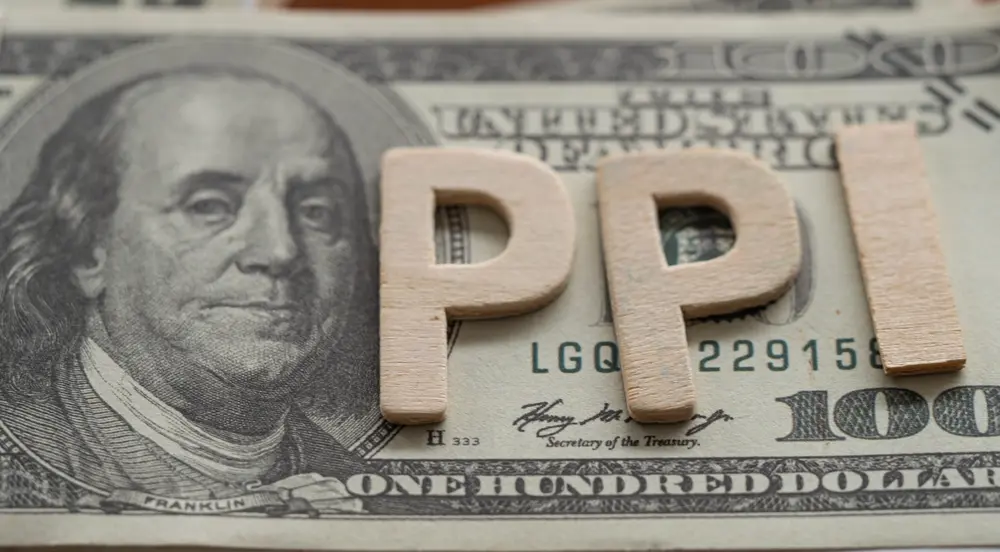
(Kitco News) - The gold market is struggling to catch a break after losing support at $5,000 an ounce. After seeing steady selling pressure overnight, the precious metal is facing additional headwinds as inflation in the U.S. continues to heat up, with producer prices rising more than expected last month.
The headline Producer Price Index (PPI) rose 0.7% in February, following January’s 0.3% increase, the U.S. Labor Department announced on Wednesday. The latest inflation data was hotter than expected, as economists had been looking for a 0.3% increase.
Over the last 12 months, headline wholesale inflation jumped 3.4%, the report said. This marks the largest 12-month advance since February 2025, when prices also rose 3.4%.
Core PPI, which strips out volatile food and energy costs, rose 0.5% last month, following January’s 0.8% increase. Core producer inflation was also stronger than expected, as consensus forecasts had projected a 0.3% rise.
The report said that over the past 12 months, core PPI increased 3.5%; economists were expecting to see a 3.7%.
The gold market was already under pressure before the inflation data was released, and is now facing further selling. Spot gold last traded at $4,883.20 an ounce, down more than 2% on the day.
PPI is viewed as a leading inflation indicator, as producers pass higher input costs on to their customers.
The latest inflation data comes at an inopportune time as the Federal Reserve looks to wrap up its two-day monetary policy meeting. Economists are not expecting the central bank to ease interest rates before the summer; however, the latest inflation data could force the central bank to maintain its neutral stance longer than expected.
Economists note that the sharp rise in PPI data was recorded before the U.S. and Israel started a war with Iran, which has pushed oil prices sharply higher and created a significant global supply-chain bottleneck in the Middle East.
