
(Kitco News) - The gold market continues to trade near critical support levels but is not seeing any significant volatility as global central bank policies remain tilted toward tightening.
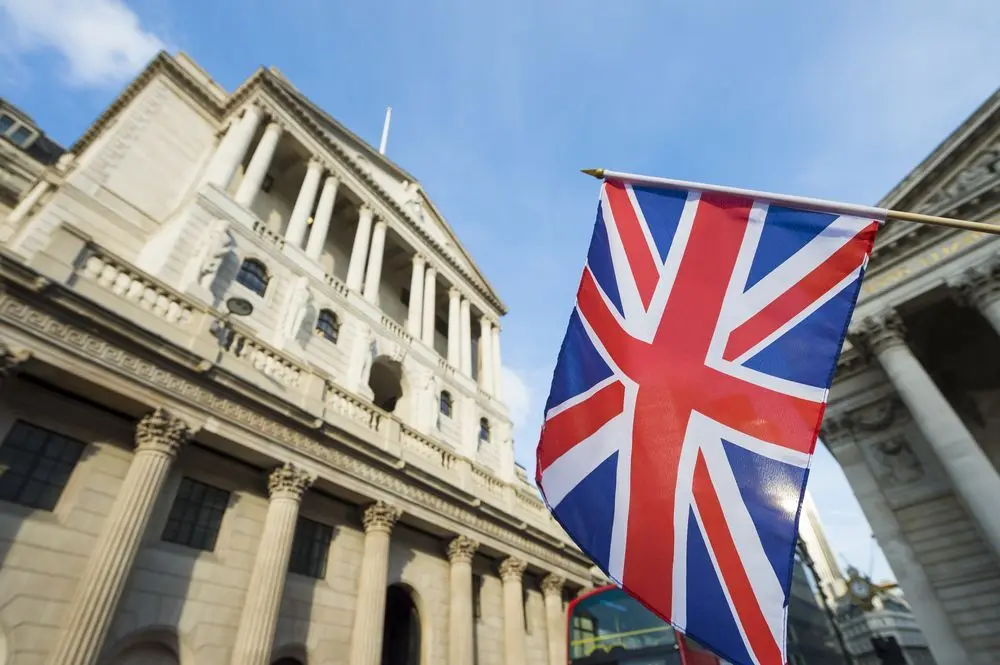
The Bank of England is the latest central bank to reinforce this trend in the global marketplace, leaving interest rates unchanged on Thursday. As expected, the BoE's Bank Rate remains steady at 3.75%.
However, three members expressed growing support for a rate hike as the ongoing global energy crisis continues to fuel inflationary pressures. According to consensus estimates, economists had expected only two members to vote in favor of a rate hike.
“In response to events in the Middle East, crude and refined energy prices have remained volatile and higher than pre-conflict. The impact of the energy shock on the UK economy remains uncertain. Monetary policy cannot influence energy prices but is being set to ensure that the economic adjustment to them occurs in a way that achieves the 2% inflation target sustainably. The policy stance required to achieve this will depend on the scale and duration of the shock, and how it propagates through the economy, including via financial conditions,” the central bank said in its monetary policy statement.
The gold market is seeing little reaction to the latest central bank decision as the world continues to move toward higher interest rates, raising the opportunity cost of holding the precious metal. Against the British pound, spot gold last traded at £3,049.14 an ounce, up 0.25% on the day.
Gold's price action against the pound is in line with the broader market trend. Spot gold last traded at $4,081 an ounce, up 0.80% on the day.
Similarly, on Wednesday, the Federal Reserve left interest rates unchanged in a range between 3.50% and 3.75%. However, three committee members voted in favor of raising interest rates by 25 basis points.
Petros Pantzari, Chief Dealer at Monaxa, described the BoE’s latest monetary policy decision as having “one foot on the brake and one eye on the Gulf.”
“The US–Iran conflict has demonstrated how quickly an oil shock can reignite transport, production and household costs,” he said. “The tougher vote split pushes rate cuts further into the distance, offering sterling support and placing upward pressure on gilt yields, but it also leaves Britain trapped in an uncomfortable squeeze between fragile growth and imported inflation. The MPC’s message is blunt: until the oil smoke clears, inflation remains the enemy it is least willing to underestimate.”
