 | Get all the essential market news and expert opinions in one place with our daily newsletter. Receive a comprehensive recap of the day's top stories directly to your inbox. Sign up here! |
.jpg)
(Kitco News) - Tomorrow’s Shanghai and Capella upgrades to the Ethereum network, known collectively as ‘Shapella’, could have a major impact on the price of ETH in the near term, and will have major implications for the growth of the Ethereum ecosystem going forward.
Scheduled for around 10:30 pm UTC on April 12, Shapella’s single most significant change is that it enables validators who have staked the required minimum of 32 ETH to unstake them immediately, and anytime they choose thereafter.
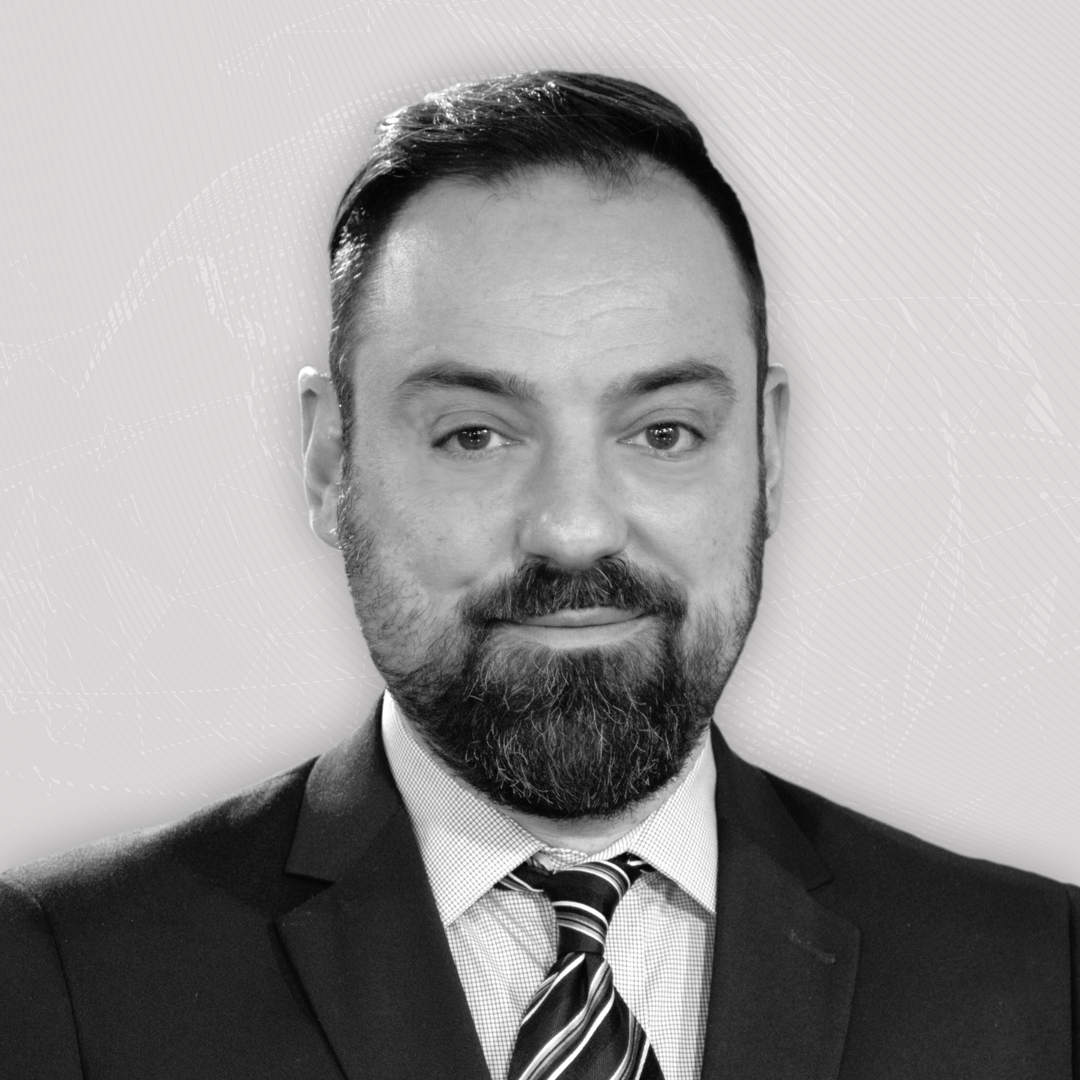
According to Sili Zhao, a blockchain engineer and Director of Global Business at InfStones, this upgrade will be a watershed event for Ethereum and for the crypto industry as a whole.
“Right now, a lot of investors and stakers are on the fence because they think, ‘if I commit then I don't know when I can get my ETH back if I don't want to stake anymore.’ But after Shanghai that concern is eliminated, so they will feel more comfortable staking their Ethereum.”
“After the Shanghai upgrade, every one of the stakers will be able to access their validator and then withdraw the 32 ETH they have committed. So that will give the market more certainty about when they can get their assets back.”
Some have predicted a massive short-term selloff in the wake of the upgrade as billions of dollars' worth of ETH becomes unstaked and tradeable in a very short time. Zhao said he doesn’t expect a big price dump for ETH, because many of those who withdraw will restake with larger positions, while new market participants will be enticed to begin staking for the first time.
“I’ve talked to clients who said, ‘the reason we haven't staked all of the ETH is because right now I don't know when I can withdraw, I don't want to lock up all my assets.’ But they said after the Shanghai upgrade, they will feel more comfortable to commit most of their ETH assets, because they know they can withdraw any time they want,” he said. “So I think we will see more people stake. Yes, of course we will see people trying to withdraw, maybe selling some ETH, but we'll also see more people trying to join ETH staking, especially from the institution side, because it's just a little bit more certainty on their side.”
Zhao believes that the profiles of the existing stakers, who before Shapella were already willing to tie up their ETH indefinitely to earn rewards while supporting the blockchain, mean they will get right back in once the mechanism is confirmed.
“If I have Ethereum staked and I have some rewards locked in that I can't get, I will just try to get out and confirm this, and then maybe I will just restake some of those ETHs,” he said. “A lot of the early participants knew they would lock their ETHs for a year or two without being able to withdraw.”
“These people are actually believers in the ecosystem, so maybe they will test out the withdrawal mechanism, but I do think they will try to get back in again, because they actually have high confidence in the ecosystem.”
Shapella also opens staking up to completely new profiles, including investors who are less wealthy, have shorter timeframes, or just want to start smaller.
“That's what we have been observing,” Zhao said. “I think we will see new people coming in, the reason being, there is liquidity staking, there are other services available in the market right now, where you don't have to commit 32 ETH in one go. You can commit one, two, so smaller customers can join as well.”
Evidence for this can be seen in the performance of liquid staking providers like Lido DAO (LDO), which enables ETH holders to stake their tokens and still access the value represented by those tokens. Interest in platforms like Lido has been on the rise as the Shapella hard fork approaches.
The update also streamlines some of the technical hurdles that have hampered adoption to date, which makes staking more attractive to the less technologically proficient members of the crypto community.
“The staking process is a little bit cumbersome,” Zhao said. “Previously you had used address A to stake, and prepare another address and credential to prepare for withdrawal. It's a little bit more technical.”
These additional steps will be eliminated after Shanghai and Capella. “To make it simple, if you are using address A to stake, you can use address A to withdraw your stake, so we’re actually making the staking process easier,” he said.
“We have been implementing [this] on our platform as well. A few clicks, about a minute, and your ETH is staked. It's non-custodial, you still have your tokens, you still have your key, so it's much, much easier for our clients.”
Once Shanghai and Capella are implemented and validators can withdraw their ETH, there will be no minimum lockup times or mandatory cooldown periods. Instead, the bottleneck becomes the number of unstaking requests the network will process.
“When you join the ether staking, there is a queue,” Zhao said. “If there are 3000 validators trying join, the network can only add around 900 per day, so with 3000, you, you need four days to get everyone in. For withdrawal, there is a similar system where the network can only process a certain amount of withdrawals. So if a lot of people are trying to withdraw, the queue will get longer and longer. The waiting period for withdrawal is a variable where if more people want to withdraw, the waiting time will be longer.”
Ethereum developers have limited the number of validators that will be allowed to fully unstake to 1,800 per day. This means that roughly 57,600 ETH ($109 million) can be withdrawn each day, in addition to partial withdrawals, which helps prevent a large token sell-off.
Zhao said he thinks the withdrawal limit is primarily a market stabilization measure. “I think it's more related to the design of the withdrawal process,” he said. “What they're trying to do is not having 80% of validators suddenly drop out of the network, that might pose some technology issues.”
“Because the Shanghai upgrade is really a major upgrade, and we're trying to introduce a new mechanism, naturally we want to make sure everyone knows how it works and how this will affect the network. So a little bit slower probably is better for the network.”
Zhao said the increasing number of staked validators is a trend that is not limited to Ethereum, but is playing out across the ecosystem, and he sees it as very positive development for the long-term health of the industry.
“We've seen a lot of new blockchains coming out, and they're requiring more and more validators for their blockchain,” he said. “If we go back to 2018, you see blockchains only required 15, 21 validators and they're set. You can't use more validators because the P2P technology was not there, so if you add more validators, you will bog down the network. But for Ethereum, we have thousands, tens of thousands of validators. I think that's a trend in the industry as well, we will see more decentralization, more validators for all the networks.”
Zhao also thinks the burgeoning growth of layer-two technologies will play an important role in growing the overall market, along with providing solutions for customers who are willing to sacrifice speed to save some money.
“For layer two, we’re actually working with a couple, and they will be helping users to get their transactions confirmed in a more economical way,” he said. “But for people who are looking for speed, they want to confirm right away, I think they'll probably still use the layer one directly.”
Zhao said he expects layer-two technologies to make the ecosystem more viable to a greater number of developers. “Going back three, four years, connecting with the blockchain was hard, right? You have to know how to do cloud computing, have to know how blockchain works, spend a month or two to really figure it out,” he said. “But right now, with all the layer-twos, the API services they're providing, a lot more new users are trying to get into the ecosystem, because they can just get an endpoint from the provider and start to use the network.”
“I think the ecosystem is growing at a very good pace, and in a very good direction, where we see more utilization and more people trying to get into the blockchain space.”
One pain point that Shapella isn’t expected to fix is gas prices, which continue to spike during periods of increased network use. “I don't think the Shanghai upgrade is a long-term fix for this,” he said. “When activity spikes, the gas price spikes, that's the issue with Ethereum layer-one at least. That's why we are seeing a lot of different layer-twos and other Ethereum-enabled chains trying to do this.”
