
(Kitco News) - Gold prices are trading near flat on the session this morning after the latest U.S. data showed a deteriorating housing market last month.
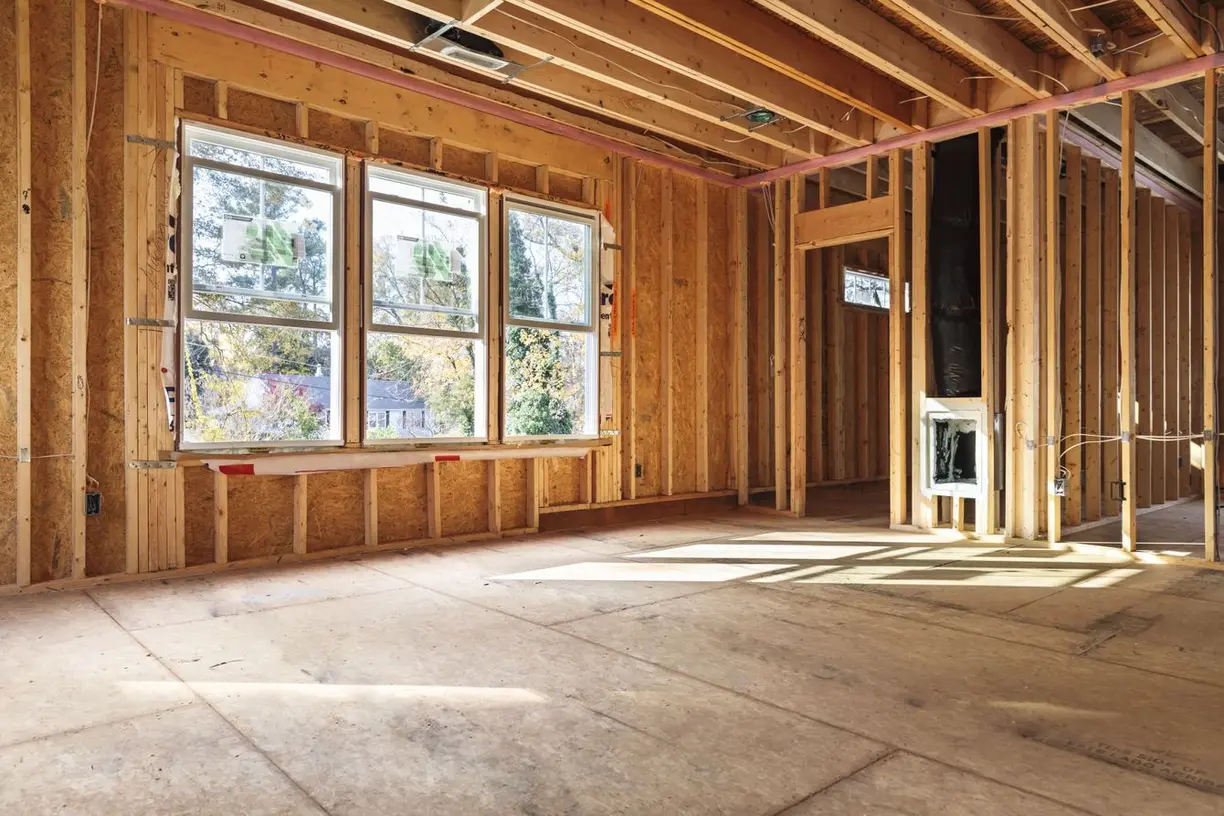
Housing starts fell 9.8% in May to a seasonally adjusted annual rate of 1.256 million units, the Commerce Department announced on Wednesday. The data was far worse than expected, as economists looked for only a slight decrease of -0.8% to 1.360 million units. April saw a revised increase of 2.7% to 1.392 million units.
This was the lowest reading since May 2020, during the onset of the COVID-19 outbreak.
For the year, housing construction is down 4.6% from the May 2024 rate of 1.316 million
The report said that building permits for future homebuilding fell -2.0% to a rate of 1.393 million last month, which was lower than the consensus expectation for 1.430 million permits. April’s print was revised to -4.0% and 1.422 million units. For the year, building permit issuances were 1.0% below the May 2024 rate of 1,407,000.
The gold market is holding steady following the 8:30 am EST housing data, which was released at the same time as weekly jobless claims. Spot gold last traded at $3,387.79 per ounce for a slight loss of 0.02% on the day.

"Retail sales, industrial production, and housing starts are the first statistical releases measuring hard economic activity each month, and they all fell in May," said Bill Adams, Chief Economist for Comerica Bank in a note to Kitco News. "They were also all weaker than the consensus forecasts of private economists. Real GDP likely still expanded in the second quarter since imports plunged after the first quarter’s tariff frontrunning, but measures of trend economic activity will be weak this quarter."
"The Fed is in a pickle," Adams said. "On the one hand, economic activity and hiring will be lackluster in the second quarter. On the other hand, business surveys point to a big pickup in inflation on the way."
"In the short run, the Fed is likely to sit on their hands and 'wait and see' (Powell’s phrase at last month’s decision) how these stagflationary forces play out."
The U.S. housing sector contributes significantly to the nation's Gross Domestic Product, and it remains a significant drag on the economy as persistent higher prices and elevated mortgage rates from the Federal Reserve's aggressive tightening cycle have pushed many new homebuyers out of the market.
